My Week in Books – 8th November 2026

Monday – I shared my October 2026 Wrap-up. I also published my Q&A with Itay Koh, author of historical novel Ernest and Samuel.

Tuesday – My take on this week’s Top Ten Tuesday was Books I’ve Reviewed With Titles That Are Compound Words. As part of Nonfiction November, I looked back at My Year in Nonfiction.

Wednesday – As always #WWWWednesday is a weekly opportunity to share what I’ve just read, what I’m currently reading and what I plan to read next… and to take a peek at what others are reading. I also published my review of Miss Veal and Miss Ham by Vikki Heywood.

Thursday – I shared a Scottish themed Spell the Month in Books.

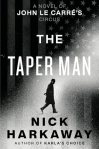
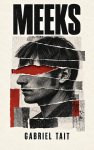
Friday – I published a guest post by Gabriel Tait, author of Meeks, about why he didn’t start writing fiction until he was fifty. I also published my review of The Taper Man by Nick Harkaway.

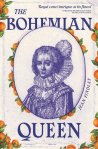
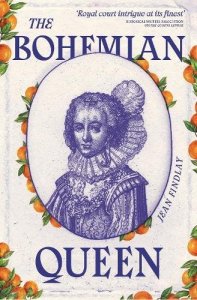
Saturday – I published my review of historical novel The Bohemian Queen by Jean Findlay as part of the blog tour. I also participated in the #6Degrees of Separation meme forging a bookish chain from Quartet by Jean Rhys to A Beginner’s Guide to Breaking and Entering by Andrew Hunter Murray. And to complete a busy week on the blog, I joined other gardeners for #SixonSaturday sharing six things from my garden this week.
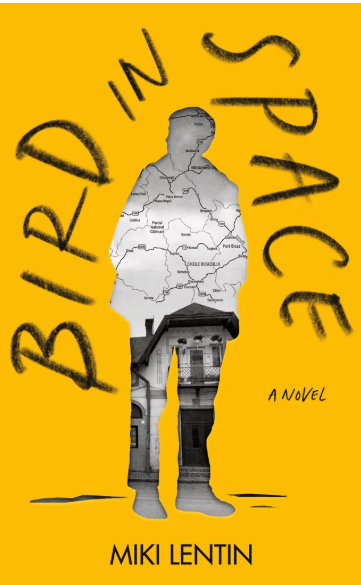
Bird in Space by Miki Lentin (eARC, Afsana Press)

In London, Jerry Gold’s mother calls with an impossible demand: travel to Romania and into Ukraine to save a wooden house her father built before the second world war. The house had been a refuge for the family before they were deported in 1941 to Transnistria, a part of the holocaust.

Armed only with his mother’s blurred 1980s photographs, a befriended truck driver and museum director and an uncanny sense that the land remembers him, Jerry is pushed through northern Romania’s forests and borderlands toward Chernivtsi in Ukraine and the truth about the house.

Using Romanian new wave cinema, the art of Brancusi, Romanian traditions and the richness of the landscape, Bird in Space blends history with the present day, depicting a country that is lost in time, still emerging from Communism and struggling with its past and future. The story is personal, one of searching and belonging and asks questions about middle-age, the impact of war and what we do with our personal and built heritage.

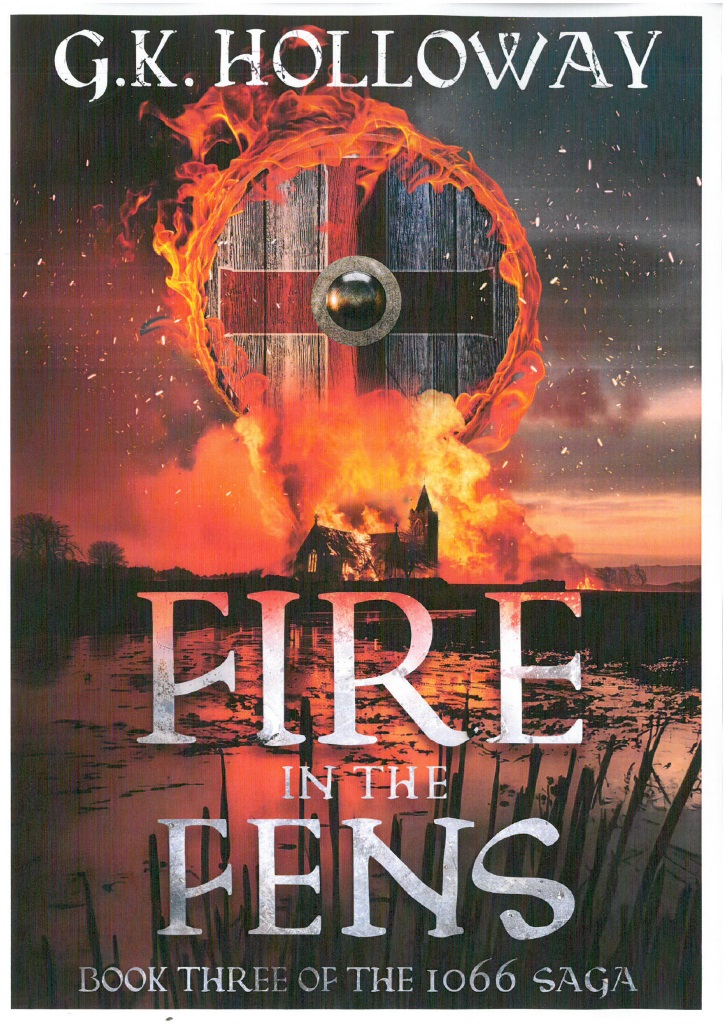
Fire in the Fens (1066 Saga #3) by G. K. Holloway (eARC, Troubador)

Duke William of Normandy has conquered all of England, except for the Island of Ely, deep in the heart of the Fens. A land of myths, mists, mire and marshes, where death comes quickly to the careless.

Taking refuge are people caught up in these desperate times. A charismatic soldier appears to lead them into battle against a merciless despot and his henchmen. Overcoming loss and adapting to the worst of trials in their own different ways, these refugees in their home country are willing to lay down their lives for their rights and old way of life.

Will their proclaimed king arrive with an army and save the day? Can they evade capture, or will they have to face the wrath of the Tyrant? Whatever the outcome, life will never be the same for them again.

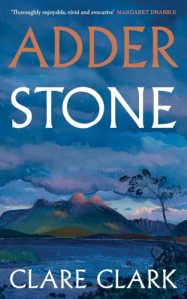
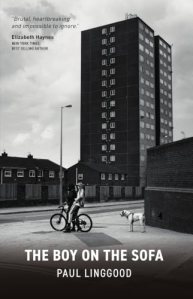
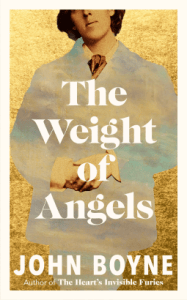
I’m reading Adder Stone by Clare Clark for a blog tour, a digital review copy of The Boy on the Sofa by Paul Linggood and I’m listening to the audiobook of The Weight of Angels by John Boyne.


  • The Gift That Inspired The Silk Weavers’ Legacy by K.L. Loveley
  • Blog Tour/Book Review: Adder Stone by Clare Clark
  • Guest Post: A Moment’s Surrender by John Burt
  • Guest Post: Why I Wrote A Saga by G.K. Holloway, author of Fire in the Fens

My Week in Books – 1st November 2026

Tuesday – This week’s Top Ten Tuesday was a Halloween freebie and my take on it was Things You Wouldn’t Want To Encounter On Halloween.

Wednesday – As always #WWWWednesday is a weekly opportunity to share what I’ve just read, what I’m currently reading and what I plan to read next… and to take a peek at what others are reading.

Friday – I published a guest post by author Alireza Hazareh about his reasons for writing his novel, She Is Just A Kid.

Saturday – I joined other gardeners for #SixonSaturday sharing six things from my garden this week.
Two ARCs, two paired January book club picks, a Classics Club title and a ‘couldn’t resist’ purchase..

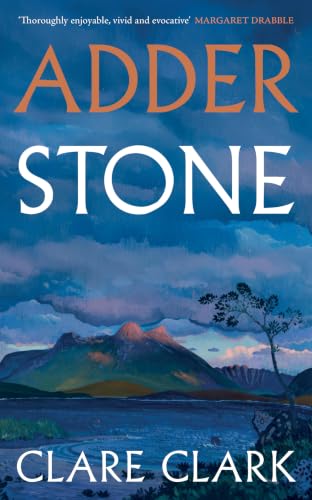
Adder Stone by Clare Clark (ARC, Wilton Square)

It is 1963 and in north Wales the Jones family are being forcibly ejected from the land they have farmed for generations. Their valley is to be drowned, turned into a reservoir for the people of Liverpool.

While her husband Dai is grief-stricken, Olwen Jones privately sees it as a blessing, an unforeseen chance to escape the narrow confines of the valley. But for her teenage son Emyr, Liverpool’s careless arrogance is proof that Wales will never be free to decide its own future until, like Ireland, it breaks the shackles of English imperialism.

Based on true events, Adder Stone is an exploration of personal identity and the possibilities and limits of love. How far will we go for our child or for our country? Who are we when we lose the places and the people that define us? And how much, in the end, is it possible to forgive?

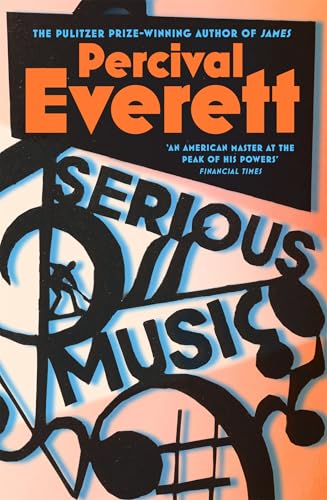
Serious Music by Percival Everett (Mantle via NetGalley)

It turned out that my music had never left me. It had been stolen, yes, but not stolen away. I had simply never been free to play it . . .

When Arthur Champion, a gifted young music scholar, is sent away to war, he experiences the horrors of the Somme trenches. Surviving the slaughter, he begins to forge a new life for himself, discovering the profound, subversive power of his own musical voice.

His extraordinary odyssey takes him from playing in the jazz clubs of Paris to performing for Woodrow Wilson in the White House, and back again, his only constant companions his humour, his abiding love for music, and the racism of the age.

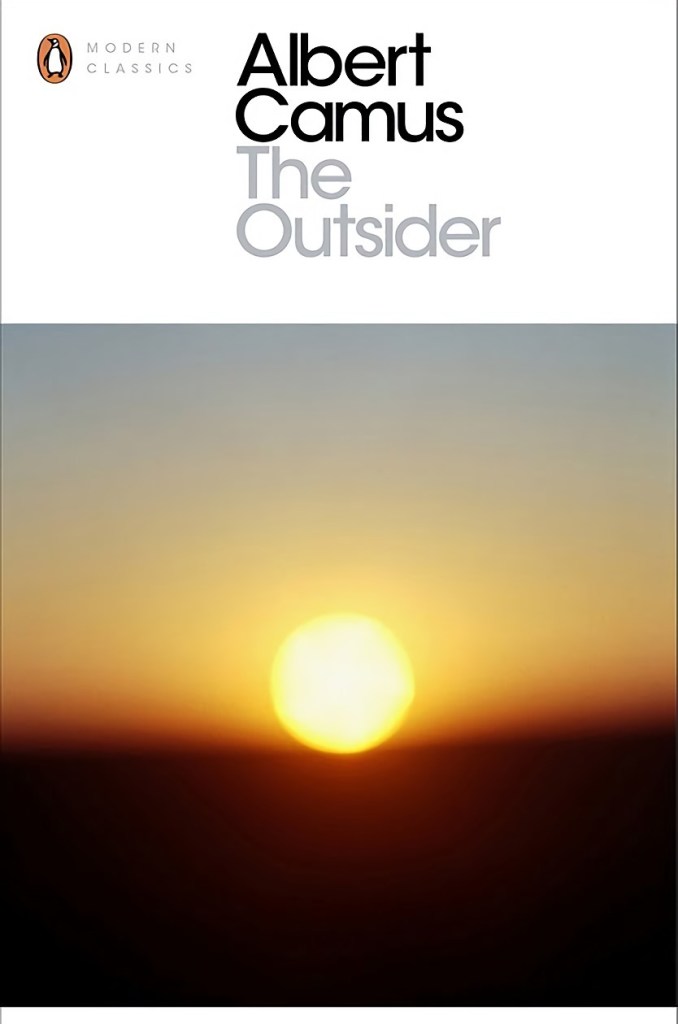
The Outsider by Albert Camus, translated by Sandra Smith (Penguin)

‘The sky seemed to rip apart from end to end to pour fire down upon me’

Meursault will not conform. When his mother dies, he refuses to show his emotions simply to satisfy the expectations of others. And when he commits a random act of violence on a sun-drenched beach, his lack of remorse only compounds his guilt in the eyes of society and law.

Albert Camus’ portrayal of a man confronting the absurdity of human life became an existentialist classic. Yet it is also a dreamlike sensual book filled with quiet joy in the “tender indifference” of the physical world.

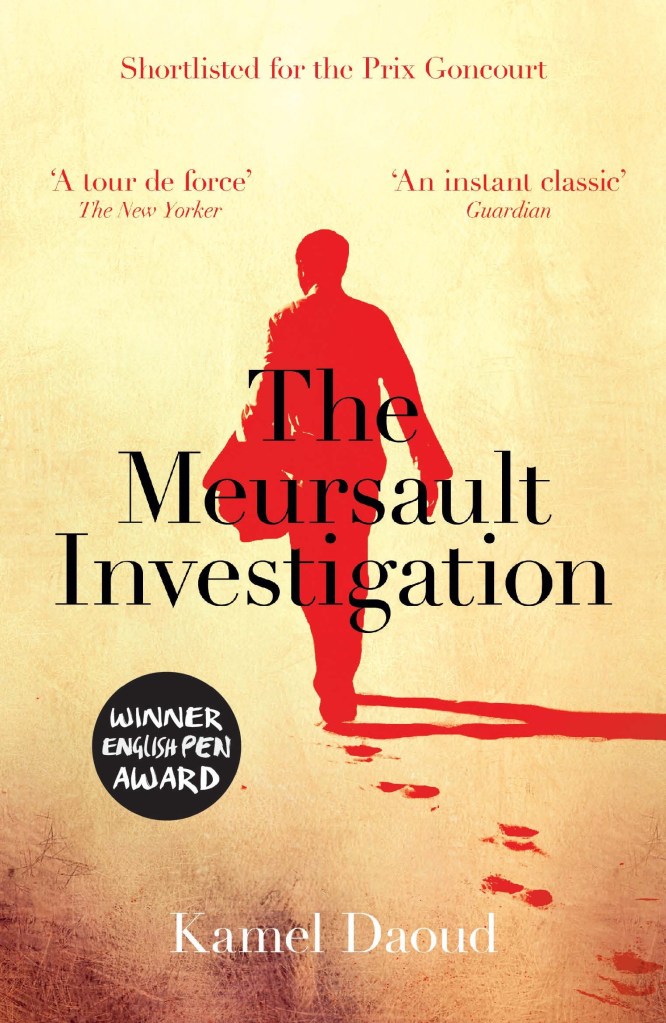
The Mersault Investigation by Kamel Daoud, translated by John Cullen (Oneworld)

He was the brother of ‘the Arab’ killed by Meursault, the antihero of Camus’s classic novel The Outsider. Seventy years after that event, Harun, who has lived since childhood in the shadow of his sibling’s memory, resolves to bring his brother out of obscurity by giving him a name – Musa – and a voice, as he describes the events that led to his senseless murder on a dazzlingly sunny beach in Algeria.

In a bar in Oran, night after night, he ruminates on his solitude, on his broken heart, on Musa’s murder and on his disarray when faced with a country that has so disappointed him. A strange among his own people, he wants to be granted, finally, the right to die.

A worthy complement to its great predecessor, The Meursault Investigation is not only a profound meditation on Arab identity and the disastrous effects of colonialism in Algeria, but also a stunning work of literature in its own right, told in a unique and affecting voice.

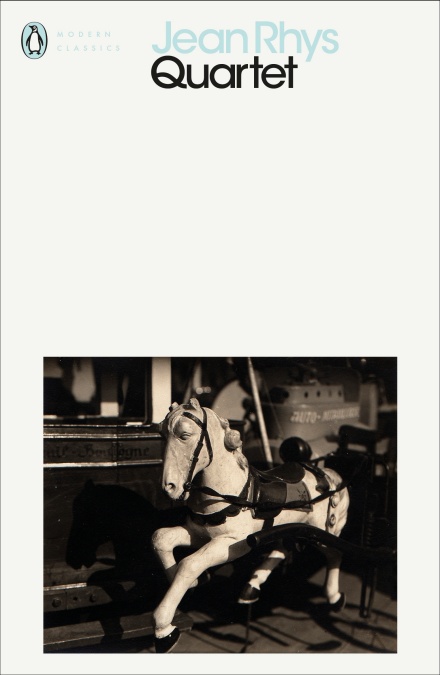
Quartet by Jean Rhys (Penguin)

Living in Paris with her reckless, vagabond husband Stephan, Marya is very near to being happy. She enjoys their haphazard existence, never questioning how he lives, never wanting to know the truth. When Stephan is suddenly imprisoned she is left penniless and alone. Taken up by a sophisticated English couple, the Heidlers, who gradually overwhelm her with their own desires, Marya finds her sense of reality slipping further and further away.

Set against a background of winter-wet streets and smoke-filled cafés, Jean Rhys’s first novel is both poignant and disturbingly intimate in its vivid depiction of a woman on her own.

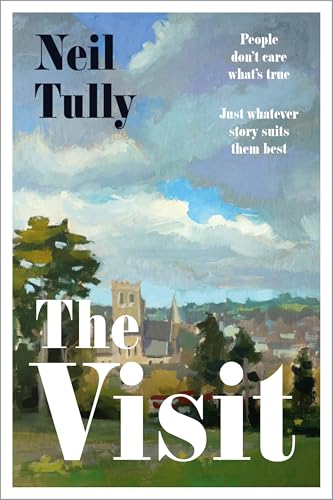
The Visit by Neil Tully (Eriu)

“The lad is a bit like a stray dog. I keep an eye on him and throw him a few scraps. There are plenty of people in this town who’d just as soon drop him off in the wilderness and hope there’s no scent to follow home. The problem is that Patrick could find his way out of any wilderness and they wouldn’t like whatever starved thing came back.”

Sergeant Jim Field feels a guilty paternalism for Patrick Hatten, a young man struggling to find a job, a life and a purpose in a small-town Wexford community. Both are used to being on the fringes but while Jim is a romantic with bad health and regret, Patrick is full of anger and action, and his actions could have devastating effects.

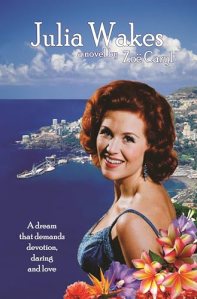
I’m reading The Bohemian Queen by Jean Findlay for a blog tour, a digital review copy of Julia Wakes by Zoe Caryl and I’m listening to the audiobook of The Weight of Angels by John Boyne.


  • October 2026 Wrap-Up
  • Q&A with Itay Koh, author of Ernest and Samuel
  • Book Review: The Taper Man by Nick Harkaway
  • Book Review: The Bohemian Queen by Jean Findlay
  • #6Degrees of Separation