

The shortlist for the The Walter Scott Prize for Historical Fiction 2026 was announced on 16th April 2026. Congratulations to all the shortlisted authors, their publishers and everyone associated with the books.
I always set myself the challenge of trying to predict which of the longlisted books will make the shortlist and I’m pleased to say I got four of the five correct this time around. There’s only one book I haven’t yet read – Once the Deed is Done by Rachel Seiffert – but it’s now firmly at the top of my TBR pile.
Here are the five books on the shortlist. Links from the titles will take you to my full review or the book description on Goodreads.
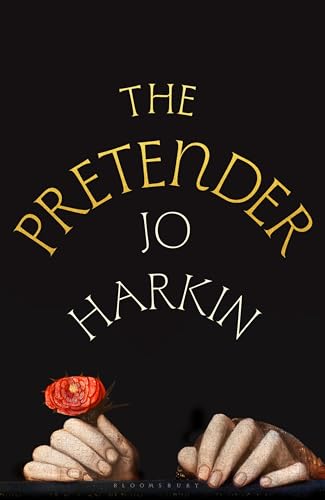
The Pretender by Jo Harkin (Bloomsbury) – This is a book for those who like their historical fiction full of detail about events, people and places. What the author does exceptionally well is to marry that historical authenticity with storytelling that is full of wit and humanity. I loved the colourful characters, the idiosyncratic mix of archaic and modern day language, and the book’s main character, John aka ‘The Pretender’. [Shortlisted for the Winston Graham Historical Prize 2026]
The Matchbox Girl by Alice Jolly (Bloomsbury) – The book depicts a dark period in European history when unimaginably evil things were done by the Nazi regime. The author has found an imaginative way of telling this story and in its narrator, Adelheid, created a memorable and captivating character.
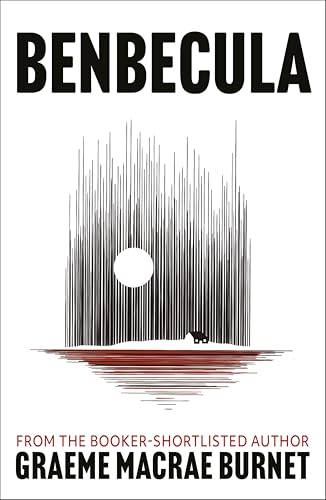
Benbecula by Graeme Macrae Burnet (Polygon) – Based on the true story of a gruesome triple murder carried out in July 1857 on a small island in the Outer Hebrides, the book explores notions of hereditary insanity and attitudes towards mental illness prevalent at the time but with moments of absurdity and dark humour.
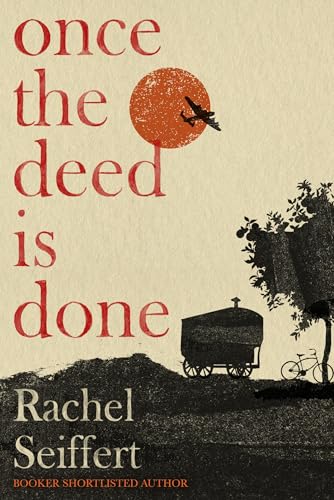
Once the Deed is Done by Rachel Seiffert (Virago) – The book is set in northern Germany in 1945 in a workers’ camp recently been liberated by the British which has become a camp for displaced persons. The men, women, and even children, have suffered appalling deprivation. Now, helped by a British Red Cross officer, they must come to terms with what has happened to them as they face an uncertain future. But the camp is just outside a small German town, and the townspeople too are rapidly adjusting to the reality of their defeat. In different ways, they must detach themselves from the Nazi state of mind and begin to take in the horror of what their country has done.
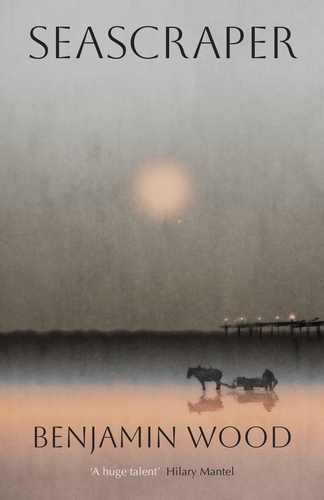
Seascraper by Benjamin Wood (Viking) – Haunting, timeless and atmospheric, the book is the story of twenty-year-old Thomas who works as a shanker scraping for shrimps along the North West coast of England, in the same way his grandfather did before him. Hemmed in by his circumstances, he is suddenly given a glimpse of a very different possible future. [Winner of the Winston Graham Historical Prize 2026]
Did any of your favourites make the shortlist? Want to venture a winner?



I don’t tend to do well with novels that have been nominated for prizes but I am on the waiting list at the library for The Pretender.
I know you said you still have one to read but do you already have a winner in mind?
LikeLiked by 1 person
I thought The Matchbox Girl was brilliant. Very imaginative in style but that won’t be to everyone’s taste. I suspect it might be Seascraper because it’s won so much else and it really is beautifully written.
LikeLiked by 1 person