About the Book
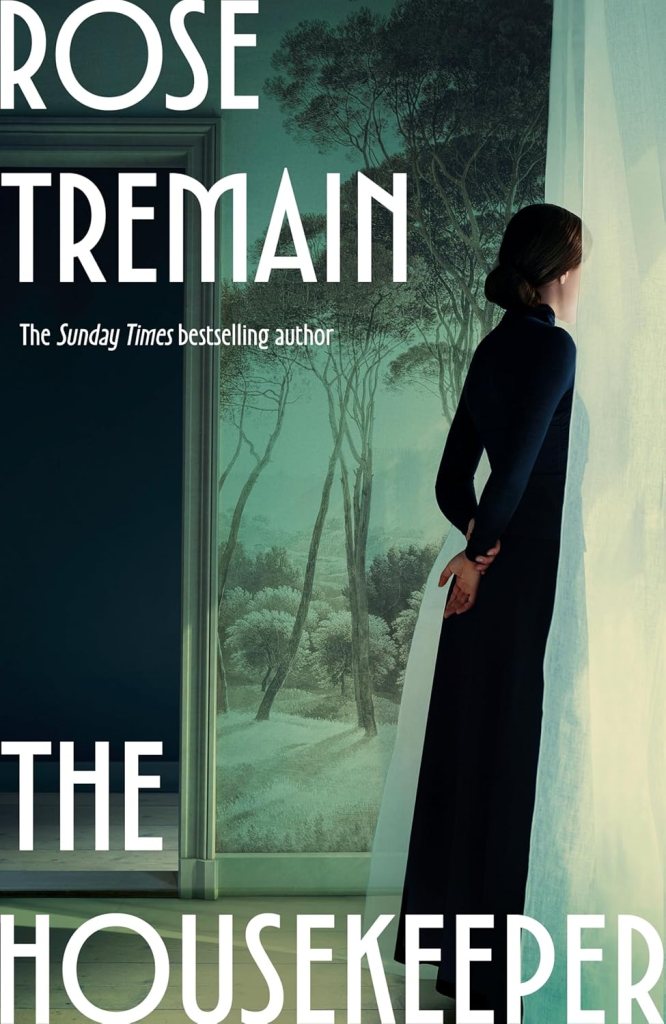
Mrs Danowski – known as Danni – is the housekeeper of a grand mansion on the wild coast of Cornwall. When glamorous young writer Daphne du Maurier visits Manderville Hall to research her new novel, she and Danni are drawn into a clandestine and intoxicating affair.
For Danni, it is an all-consuming love; for Daphne a submission to long-suppressed desires. But their fragile secret is vulnerable to prying eyes and destined for heartbreak. When Daphne’s novel launches to triumphant success, Danni is distraught to find herself transformed into a malign and jealous character on the page. She seeks respite from the hurt by telling her own story: The Housekeeper.
Format: Hardcover (320 pages) Publisher: Chatto & Windus
Publication date: 17th September 2026 Genre: Historical Fiction
Find The Housekeeper on Goodreads
Purchase The Housekeeper from Bookshop.org [Disclosure: If you buy books linked to our site, we may earn a commission from Bookshop.org, whose fees support independent bookshops]
My Review
My experience with Rose Tremain’s novels has been mixed. I enjoyed her 2021 novel Lily, a historical mystery set in 19th century London, but wasn’t as enamoured with Absolutely & Forever as the judges of the Walter Scott Prize for Historical Fiction obviously were, since they shortlisted it in 2024. However given Rebecca by Daphne du Maurier is one of my all-time favourite books, I couldn’t resist the idea of a novel exploring the back story of one of its most enigmatic characters, Manderley’s housekeeper Mrs Danvers.
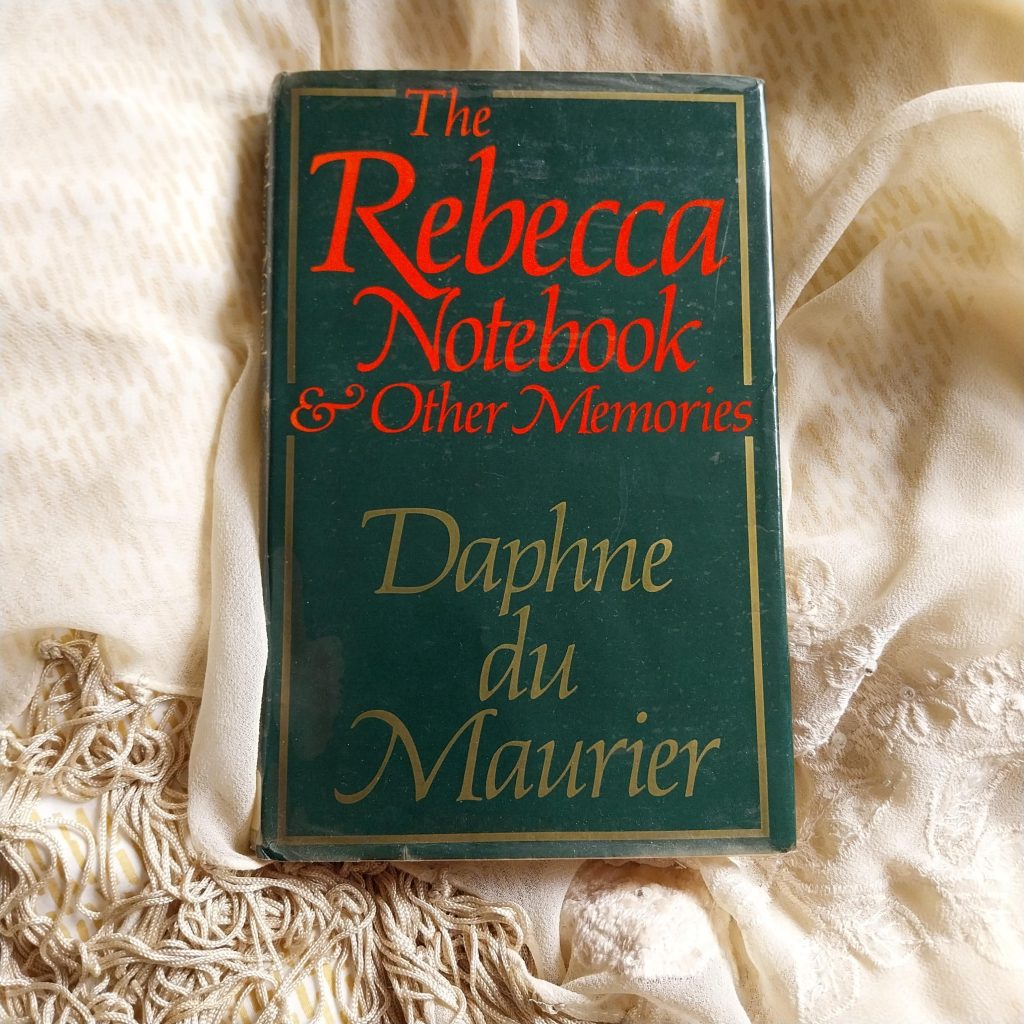
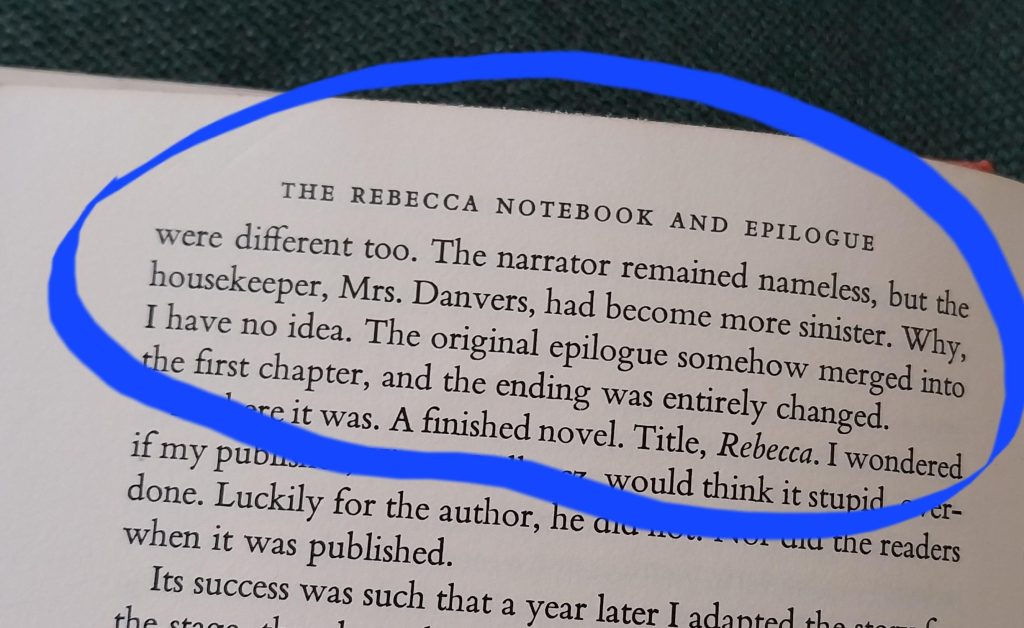
Many years ago I came across a copy of Daphne du Maurier’s book, The Rebecca Notebook & Other Memories. In her chapter on Rebecca, she describes how during the course of writing the book the character of Mrs Danvers became more sinister, noting ‘Why, I have no idea’.
In The Housekeeper, Rose Tremain provides an answer to that question, namely that it was the result of the breakdown of a passionate affair between Daphne du Maurier and the housekeeper of Manderville Hall, Mrs Danowski, known as Danni. Danni is the author’s fictional creation but the book borrows much from the real life of Daphne du Maurier, such as the fact she had affairs with women.
I very much enjoyed the back story the author creates for Danni. Brought up in Poland in a Jewish family, she is shunned and subjected to abuse by her schoolmates. Her instinct becomes to hide her true feelings, leaving her something of an outsider. Tutored by her tailor father, her skills as a dressmaker eventually bring her to the attention of Lady Edwina Grenville-Whithers, owner of Manderville Hall where she takes up the role of housekeeper. Danni was devoted to Edwina, her role becoming more like personal maid and confidante rather than merely supremely efficient housekeeper. But now Edwina is dead and Lord Grenville-Whithers, known as Perry, is grief-stricken and the future of Mandeville Hall now uncertain because there is no direct heir. Enter Daphne du Maurier to further disrupt life at Mandeville Hall.
Within seconds of their meeting, Danni feels a strong physical attraction to Daphne. It’s reciprocated and in the blink of an eye they’re in a full-on sexual relationship. I must admit I found the speed with which their relationship developed rather implausible. As Danni relates it – because we only ever hear her side of the story – their relationship allows Daphne to free the ‘boy’ within her and achieve complete sexual satisfaction, something she assures Danni she doesn’t experience with her husband, Frederick Browning. (Incidentally his nickname was ‘Boy’.). Daphne is a demanding and voracious lover, seeking to monopolise any spare moment of Danni’s time to ‘wax’, Daphne’s rather cloying term for having sex. When Daphne believes she has been betrayed by Danni she responds in an act of literary revenge and, fearing that their relationship may damage her reputation should it become public, shuns Danni completely.
My main issue with the book was the way the author chose to characterise Daphne du Maurier, a real person. I would have felt far more comfortable if the novel had explored the intimate relationship between Mrs Danvers and Rebecca some feel is hinted at in du Maurier’s book. Would I be alone in thinking Wide Sargasso Sea by Jean Rhys, which expands on the character of Bertha Mason, Mr Rochester’s first wife in Jane Eyre, is preferable to a novel which imagines Charlotte Brontë having an affair with a woman who, when it ends badly, is immortalised as the ‘madwoman in the attic’ of her most well-loved book? (I hope I haven’t given an author an idea there…)
In case this sounds as if I disliked The Housekeeper, there were many aspects of the book I loved. I thought Perry was a wonderful character and found his grief at Edwina’s death intensely moving. I also felt the story developed in interesting ways following Danni’s departure from Manderville Hall. In fact, some aspects made the relationship between Danni and Daphne more believeable in retrospect.
There are many echoes of Rebecca in the book from the location of Daphne and Danni’s trysts to the costume ball during which a pivotal event occurs. Tremain also refashions the famous first line of Rebecca, ‘Last night I dreamt I went to Manderley again’. As the fictional Daphne ruefully admits, writers are ‘terrible thieves and pickpockets’.
I received an advance reader copy courtesy of Chatto & Windus via NetGalley.
In three words: Intense, atmospheric, intriguing
Try something similar: Estella’s Revenge by Barbara Havelocke
About the Author

Rose Tremain‘s novels and short stories have been published in thirty countries and have won many awards, including the Orange Prize (The Road Home), the Dylan Thomas Award (The Colonel’s Daughter and Other Stories), the Whitbread Novel of the Year (Music & Silence) the James Tait Black Memorial Prize and France’s Prix Femina (Sacred Country), and the South Bank Sky Arts Award (The Gustav Sonata). Her novel Absolutely and Forever (2023) was a Sunday Times Book of the Year.
Rose Tremain was made a CBE in 2007 and a Dame in 2020. She lives in Norfolk and London with the biographer, Richard Holmes. (Photo/bio: Publisher website)