Hosted by Taking on a World of Words, this meme is all about the three Ws:
- What are you currently reading?
- What did you recently finish reading?
- What do you think you’ll read next?
Why not join in too? Leave a comment with your link at Taking on a World of Words and then go blog hopping!
What I’m Currently Reading

May We Feed the King by Rebecca Perry (Granta)
She is a curator, who spends her time dressing the rooms of historic buildings to bring them to life. But in the lush private quarters of a medieval palace, she finds herself so transfixed by the reign of an almost-forgotten King that the edges of her life begin to blur.
He is a reluctant ruler with no hunger for power, rushed to the throne after the untimely deaths of his older brothers. But it isn’t long before whispers begin to fly around the court. And with the growing belief that the King is not fit for the throne comes the idea that another might rule in his stead.
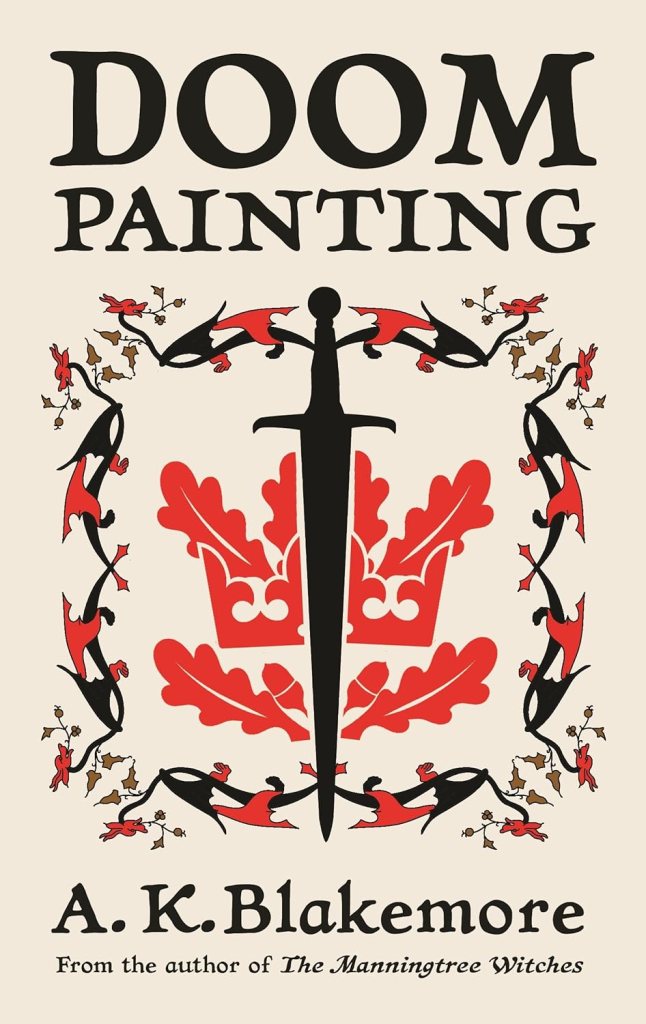
Doom Painting by A. K. Blakemore (Granta via NetGalley)
It is 1381. England, reeling from plague and years of conflict abroad, is a tinderbox waiting to spark. Two childhood friends ride into the town of Brentwood, Essex, where they come upon an altercation with a local Justice bent on squeezing more coin from the masses. Thus begins a rebellion of the common folk – loyal to the king, but not to those wealthy landowners who curtail their freedoms; the multitude finding cause against the powers that threaten their livelihoods.
Set over sixteen days, Doom Painting roves across England as the revolt grows and swells and the rebels march to London to take their demands to the child-king Richard II. Out of the rebellion emerges its enigmatic and charismatic leader Wat Tyler, an opportunistic and mercurial rogue whose morality is birthed by the cause, and who shapes an identity for the English which has never been lost.
What I’ve Just Read

The Marchesa by Sarah Dunant (Weatherglass Books)
Inside the opulent world of the Italian Renaissance, Isabella d’Este ruled not just by birth-right, but by wit, will, and an unquenchable thirst for power.
In The Marchesa, Isabella tells her own story: a girl transcending a loveless marriage to become both the first and greatest female art collector of her time and its most formidable woman political operator, navigating an unstable Italy of fragile alliances, high art and brutal warfare.
Through her eyes, the vanished splendour of Mantua and the great Renaissance courts are brought back to life, contrasting their surface beauty and artistic brilliance with an underbelly of infighting, treachery and sexual transgression.
Vividly imagined and utterly immersive, Sarah Dunant’sThe Marchesa is a masterful portrait of one of history’s most remarkable women and a revelatory journey into the very soul of the Renaissance. (Review to follow for blog tour)
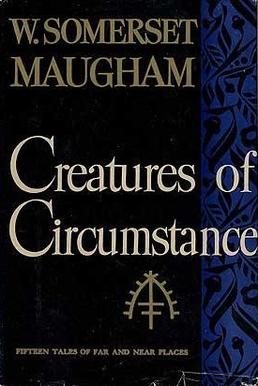
Creatures of Circumstance by W. Somerset Maugham (Heinemann)
The short stories in this extraordinary collection – with the exception of one – were written after the close of World War I. Maugham shrewdly and brilliantly exploited the public taste of his time to put on display the changing morality of the twentieth century.
An expert storyteller, he was also a master of fictional technique. His fiction offers a synthesis of pleasures in the form of realism, exoticism, shrewd and ironic observation, careful craftsmanship, and characterization. (Review to follow)
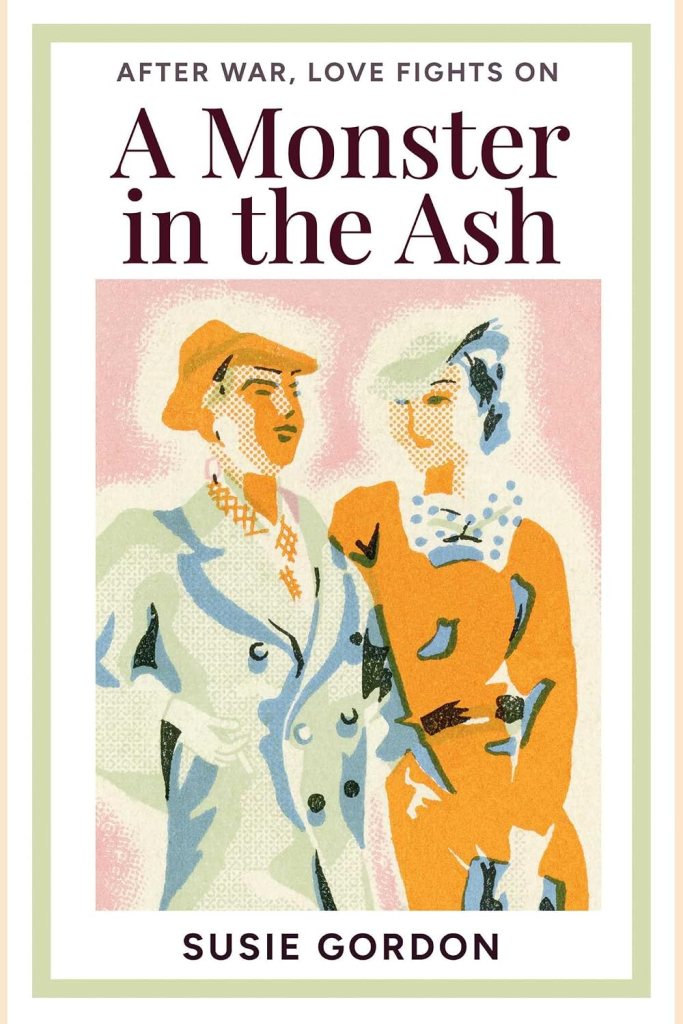
A Monster in the Ash by Susie Gordon (Claret Press)
Sadie Shaposnick spent the war running a black-market racket out of her husband Leon’s East End butcher shop. Now Leon has returned from a German POW camp, traumatised and dismayed to find Fascism rising once again, only ten years after Cable Street. With the authorities turning a blind eye, Leon joins a vigilante gang formed by Simka Reubens, a charismatic former street-fighter with ties to Sadie’s late mother Rosy Gold—a local anti-fascist icon who died fighting Franco in Spain. At first, Sadie resists being drawn into the gang, but as the violence escalates she realises that fighting back is the only way to protect her neighbours and hopefully repair her faltering marriage.
Meanwhile, Sadie’s widowed sister Karla has to raise her daughters alone in her grief-stricken in-laws’ mansion. When her late husband’s younger brother Rafi returns from fighting with armed partisans in Mandatory Palestine, Karla must decide how far she’ll go to feel alive again. But when Rafi crosses paths with Sadie, he is drawn into the struggle as well, sending the gang into even greater peril.
With Oswald Mosley gaining power, the only option is resistance, even if it means facing the ghosts of the past while fighting the monsters that are rising from the ashes of the war. (Review to follow for blog tour)
What I’ll Be Reading Next

Dead Men Don’t Ski by Patricia Moyes (Farrago)
Inspector Henry Tibbett is taking a much-needed holiday from his job at Scotland Yard with his wife Emmy. Headed for a spot of skiing in the Italian Dolomites and some first-class people-watching, Tibbett’s worries blissfully melt away.
That is, until a fellow guest who boards the ski lift alive at the top of the mountain is found dead when the lift touches bottom. Another dead body turns up, and then another, and it becomes clear that Murder has come to the mountain.