
It’s a busy time of year for literary prizes, whether it’s the announcement of winners (The Baillie Gifford Prize for Nonfiction, The Booker Prize), the publication of longlists and shortlists, or the closing dates for submission of entries (The Women’s Prize for Fiction/Nonfiction 2026, The Walter Scott Prize for Historical Fiction 2026). Also in the latter category is The Winston Graham Historical Prize 2026, entries for which closed on 1st October.
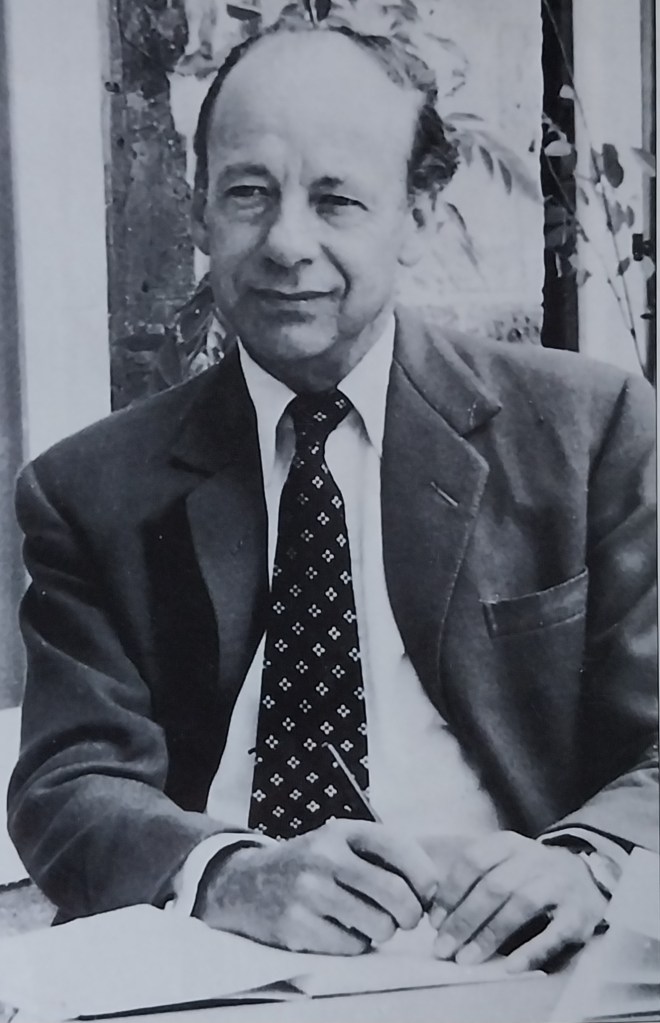
The Prize is the result of a bequest by Winston Graham, author of the Poldark series, to the Royal Institute of Cornwall, the charity which runs the Cornwall Museum & Art Gallery in Truro. Winston Graham researched many of his bestselling novels in the Royal Cornwall Museum’s Courtenary Library. Originally limited to books set in Cornwall or the South West, the Prize was relaunched in 2024 with a nationwide scope.
To be eligible for the 2026 Prize, novels must have been published in the UK between 30 September 2024 and 30 September 2025, set at least 60 years ago in the UK and Ireland with a strong sense of place, and written by authors resident in the UK. The prize is unusual in that the shortlist is created by a Readers’ Committee who whittle down the entries to just a handful of novels.
Last year’s prize was awarded to Andrew Miller’s novel The Land in Winter, which also won the Walter Scott Prize for Historical Fiction 2025 and is shortlisted for the Booker Prize. Many of the books on last year’s shortlist I’ve either read or have in my TBR pile.
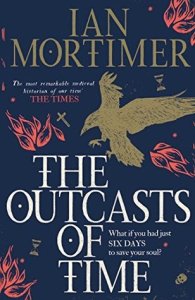
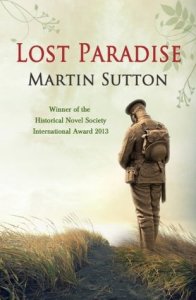
Previous winners of the Winston Graham Historical Prize include Benjamin Myers for Cuddy, Kayte Nunn for The Botanist’s Daughter, Ian Mortimer for The Outcasts of Time and Martin Sutton for Lost Paradise.
The shortlist for the 2026 Prize will be published in January (something for us fans of historical fiction to look out for) and the winner, determined by a judging panel chaired by author Charlotte Hobson, will be announced at a ceremony at the Cornwall Museum & Art Gallery in March.



 What Cathy Read Next...
I haven’t been following this prize, but it’s interesting to see how many books on the last shortlist were also on the Walter Scott Prize longlist/shortlist. I’ll look out for the 2026 list in January,
LikeLike
Yes, I think it’s a good indicator of books likely to turn up on the Walter Scott Prize lists because the eligibility rules are roughly the same. I read all the Poldark books and watched the TV series. I’m of the Robin Ellis as Poldark era but enjoyed the more recent one also.
LikeLike
How interesting, Cathy. It sounds like the prize’s Readers’ Committee has a gift for selecting good books.
LikeLike
Yes, it seems so. I think the books they choose are a good indicator of historical fiction likely to turn up on the probably more widely known Walter Scott Prize longlist/shortlist because the eligibility rules are similar.
LikeLike