About the Book
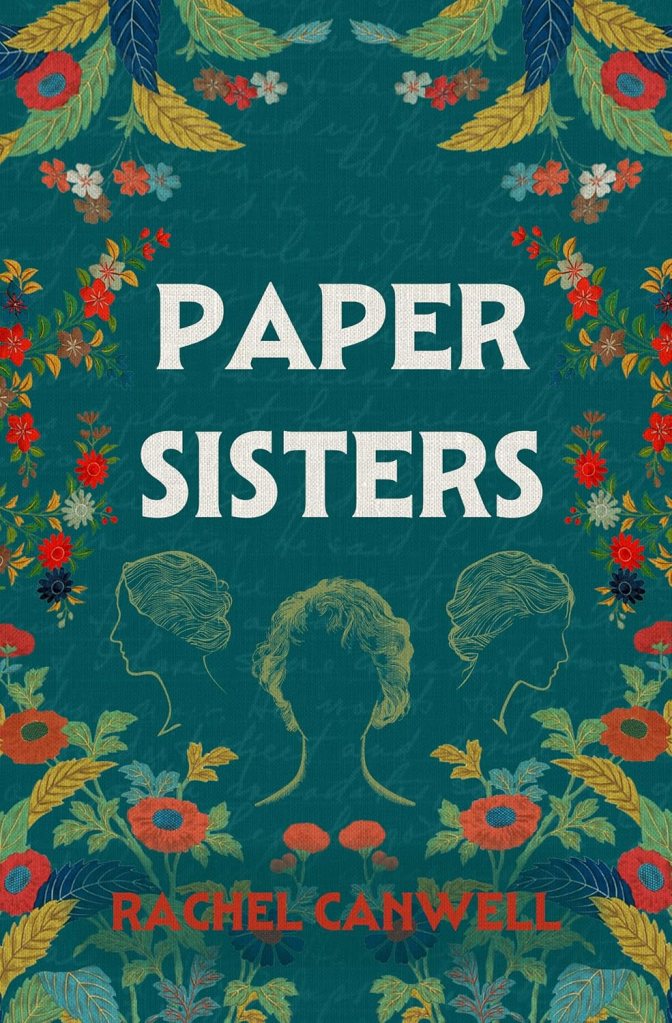
Lincolnshire, 1914. As the First World War approaches, three women are living, isolated between the unforgiving marsh and relentless river of the fen. Their lives are held fast by profound grief, haunted by the spectres of the past. Trapped by the looming presence and eerie stillness of a hospital that has never admitted a single patient.
Eleanor longs to escape with the man she loves, leaving her sister and memories behind. Clara’s violent marriage threatens her and her children’s safety. Lily, resolute and unyielding, will do whatever it takes to preserve the past and keep her family unchanged, regardless of the cost.
Format: Paperback (384 pages) Publisher: Northodox Press
Publication date: 12th February 2026 Genre: Historical Fiction
Find Paper Sisters on Goodreads
Purchase Paper Sisters from Bookshop.org [ Disclosure: If you buy books linked to our site, we may earn a commission from Bookshop.org, whose fees support independent bookshops]
My Review
I’m not sure you could come up with a more atmospheric setting for a novel than this. A house on the remote Lincolnshire Fens, separated from the nearest village by a wide stretch of river which can only be crossed by a swing bridge. And beyond the house, a hospital which has never housed a single patient. ‘Dark, squat against the earth, an abandoned sentry to the fen beyond.’ Yet there’s also a feeling of claustrophobia because of the intensity of what is playing out inside the house.
Eleanor, Lily and their brother Frank have all been profoundly affected by a tragic death. Frank, now estranged from his sisters, has become an angry, bitter man often erupting into drunken violence, with his wife Clara the main victim. Lily’s grief seems to have triggered a descent into madness, so much so that Eleanor fears for her sister’s safety and locks her in the house when she visits the village. Or more likely, the hospital because Eleanor spends her days going through the ‘practised and pointless’ routine of folding towels, cleaning floors and changing sheets on beds that have never been occupied.
Before long we realise there is a sinister game being played out between the two sisters, a contest of wills in which Lily appears to have the upper hand. In one memorable scene, the sisters stand either side of a locked door, each straining to hear sounds of movement from the other, waiting to see who will yield first.
Eleanor’s mistake is to underestimate Lily’s capacity for manipulation and her determination to ensure they remain a family unit. Only their sister-in-law Clara sees through Lily’s wiles and understands her objective is to destroy any chance of Eleanor marrying John, the local blacksmith, and allow her to break free from her constrained existence.
There’s another factor though. This is 1914 and the first inklings of war are starting to appear, such as the compulsory purchase of horses by the army. Soon the young men of the village are joining up, fuelled by feelings of patriotism. For those left behind it means uncertainty, worry and a dashing of hopes for the future. Ironically for others, it brings a respite, even the possibility of a different future. Soon, of course, the news is one long roll call of those killed or wounded, some of whom have suffered life-changing injuries both physical and psychological.
Both Eleanor and Lily are women of extreme emotions. There’s screaming, crying, pounding on doors. So much so that at times it all felt rather frenzied. I struggled to find any redeeming features in Lily. I found myself urging Eleanor to recognise she was being manipulated whilst also appreciating her feelingsof responsibility for her sister. My favourite character was Clara – astute, courageous and determined to do whatever was necessary to protect her children.
There’s an undercurrent of tension throughout the book, a sense of a pressure slowly and inexorably building so that, even before it happens, you know it’s inevitable there’s going to be some sort of explosive finish.
Paper Sisters is an atmospheric story of simmering emotions and the weight of secrets.
In three words: Emotional, intense, dramatic
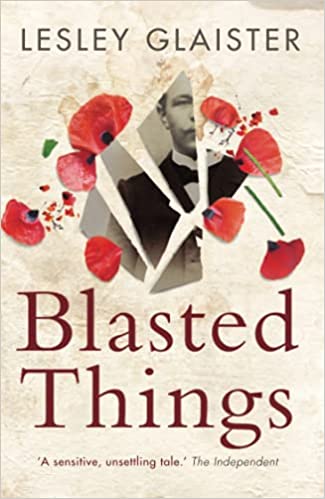
Try something similar: Blasted Things by Lesley Glaister
About the Author
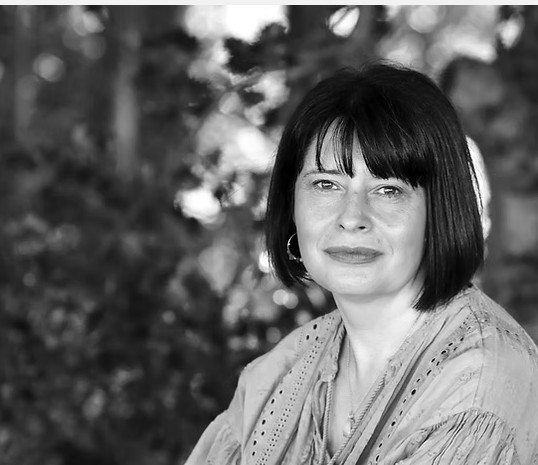
Rachel Canwell is an author who, having grown up in the Fens, has lived and worked in Cumbria for over twenty years.
Her short fiction has appeared in numerous anthologies. Her collection of flash fiction Oh I Do Like to Be was published in 2022 and her novella-in-flash Magpie Moon in 2023.
Paper Sisters is her first novel. (Photo/bio: Publisher website)
Connect with Rachel
Website | Instagram