

On the blog last week
Tuesday – This week’s Top Ten Tuesday topic was Books On My Spring 2026 To-Read List.
Wednesday – As always WWW Wednesday is a weekly opportunity to share what I’ve just read, what I’m currently reading and what I plan to read next… and to take a peek at what others are reading.
Thursday – I published my review of Sweep the Cobwebs Off the Sky by Mary O’Donnell.
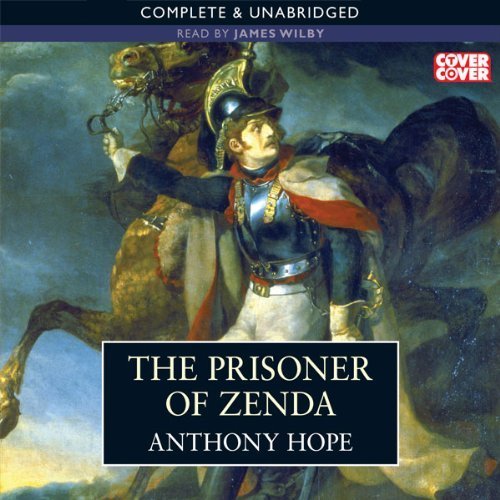
Friday – I shared my review of The Prisoner of Zenda by Anthony Hope, the book chosen for me in the latest Classics Club Spin.
Saturday – I joined other gardeners for the #SixonSaturday meme, sharing six things happening in my garden this week.
New on my shelves
Two NetGalley approvals, my book club’s pick for next month and a couple of other books that followed me home.
Our Noble Selves by Kate Atkinson (Doubleday via NetGalley)
It’s the summer of 1951 and everyone is looking to put the dark days of the war behind them. The government’s solution: The Festival of Britain, a celebration of the country’s creativity, grit and ingenuity.
For foreign correspondent turned war reporter Harry Flynn, it might offer the chance of redemption after a bad war in the Far East and a peace that is proving no easier to negotiate. Having failed to resume his journalistic career, he reluctantly joins an oddball team of misfits, ne’er-do-wells and downright chancers helping to ready the Festival of Britain for launch.
Flynn’s attempts to resume some semblance of a romantic life also founder when one of his dates goes missing and he is deemed to be the last person to have seen her alive. Could he have been in some way responsible for her disappearance?
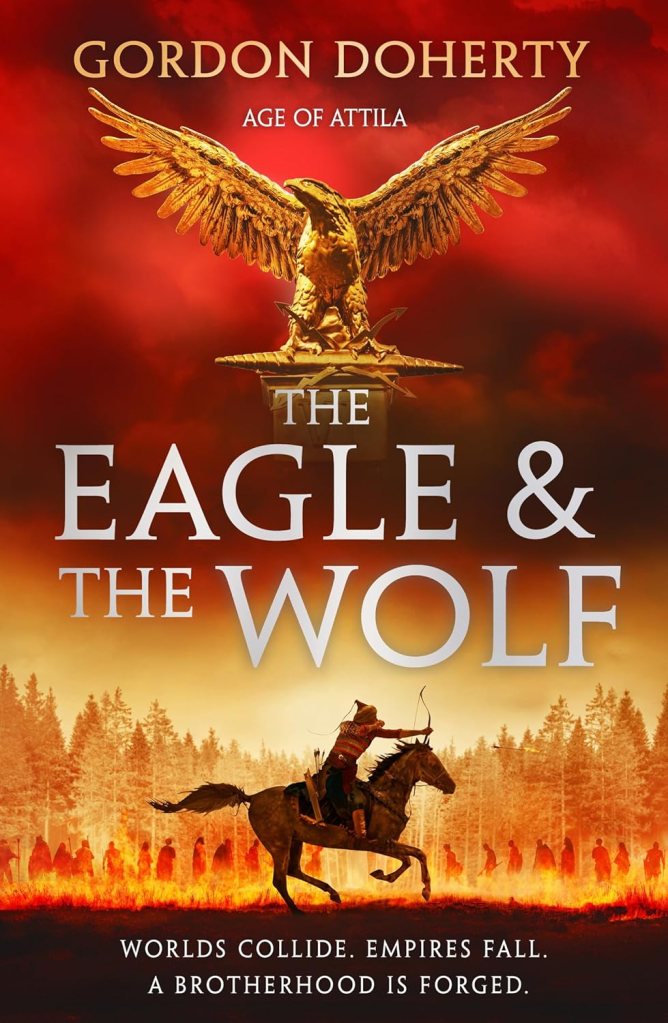
The Eagle & The Wolf (Age of Attila #1) by Gordon Doherty (HarperCollins via NetGalley)
As Hun hordes and Germanic tribes maraud through Imperial lands, two legendary men – Attila the Hun and the “Last of the Romans” General Flavius Aetius find their fortunes entangled with the chaos.
Flavius Aetius, a noble Roman son, is an outsider in a savage land. He has been banished, given as hostage to the barbaric Huns and sent to the edge of the world.
What the Huns do not know, however, is that his father and mother have been murdered in a coup. He is an orphan, with no value at all. His life hangs on a lie. In this new harsh world, he manages to find one grudging ally, a young boy named Attila.
A brotherhood is formed. One that, the shamans foretell, will shatter the world.
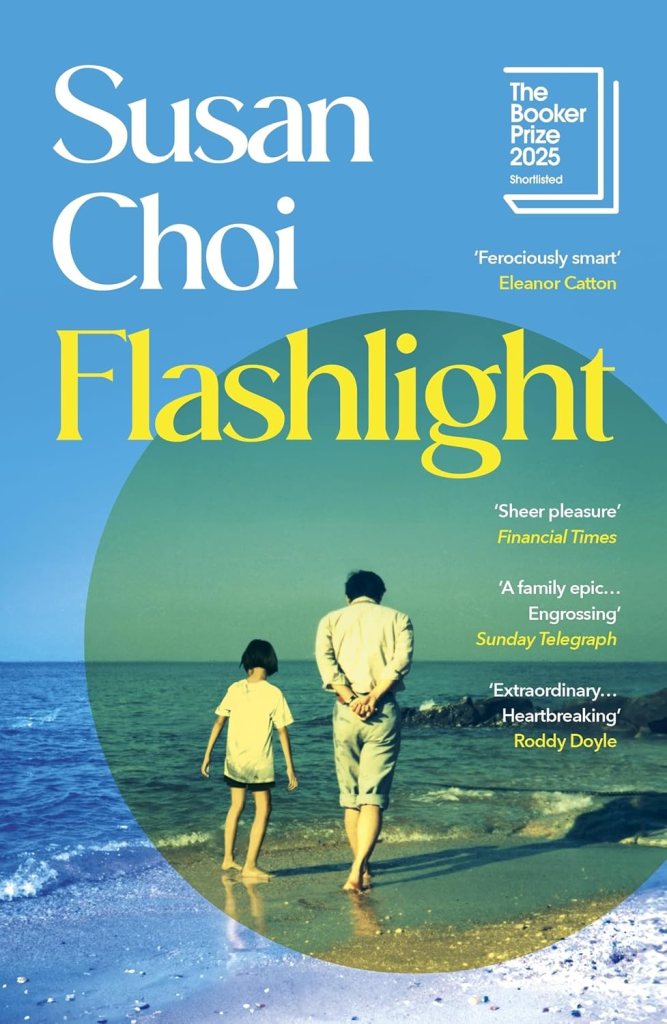
Flashlight by Susan Choi (Vintage)
One evening, ten-year-old Louisa and her father, Serk, take a walk out on the breakwater. They are spending the summer in a coastal Japanese town. Hours later, Louisa wakes on the beach, soaked to the skin. Her father is missing: presumably drowned.
This sudden event shatters their small family. As Louisa and her American mother return to the US, Serk’s disappearance reverberates across time and space, and the mystery of what really happened that night slowly unravels. . .
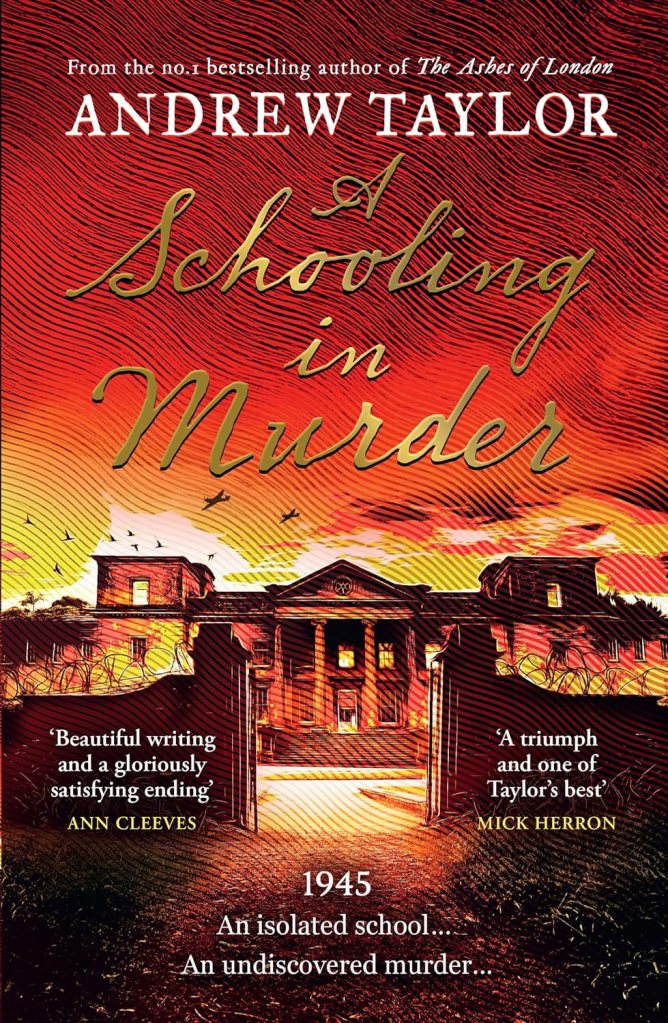
A Schooling in Murder by Andrew Taylor (Hemlock Press)
England, May 1945.In the last days of World War II, Monkshill Park School for Girls stands far apart from the violence in Europe. Yet a woman has been murdered in its grounds.
Annabel Warnock, a teacher with a secretive past, has disappeared. The teachers and girls whisper that she’s run away, but in fact she has met a violent end.
Replacement tutor and amateur crime writer Alec Shaw arrives to find a school riven with bitter rivalries and dangerous tensions. He begins to suspect there is a real-life mystery waiting to be solved… and these echoing halls hide a killer.
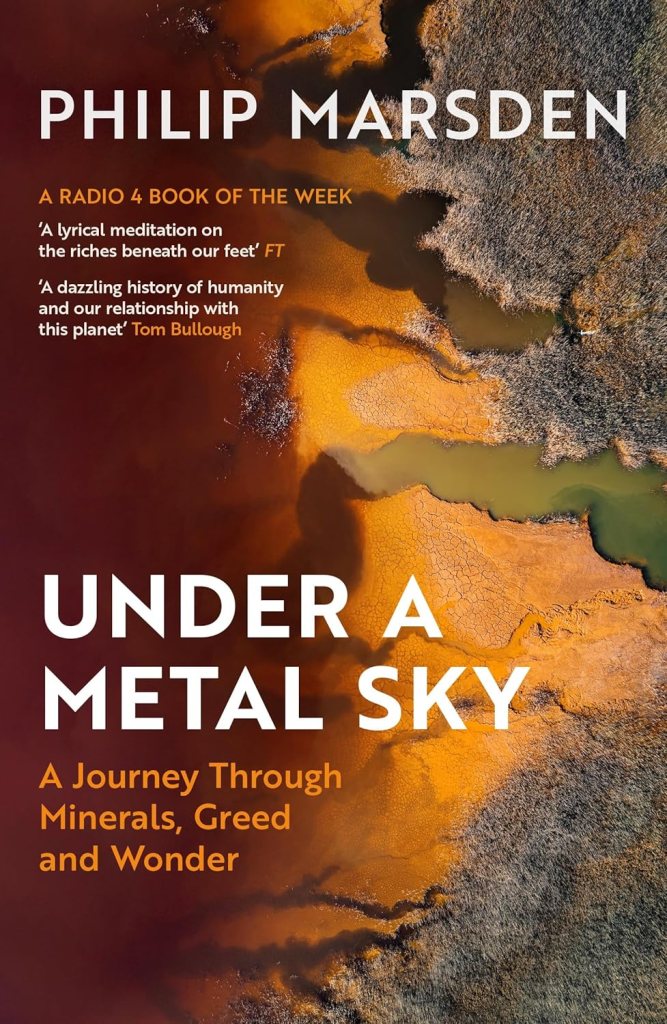
Under A Metal Sky: A Journey Through Minerals, Greed and Wonder by Philip Marsden (Granta)
The discovery of minerals beneath our feet has transformed our species: tin and copper ushered in the Bronze Age, silver kick-started the engines of global trade, and lithium is integral to much of today’s technology. Each of these substances generated a leap forward in science and culture, opening our imagination a little further.
Here, Philip Marsden takes us on a revelatory journey from the tin mines of Cornwall to the gold-rich mountains of Georgia, in search of the minerals that have shaped not just our history but our entire troubled relationship with the natural world.
What I’m currently reading
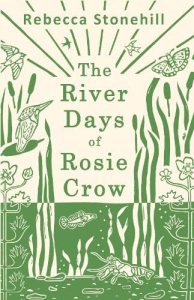
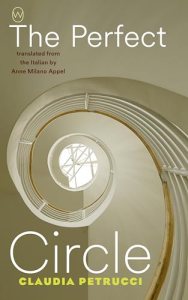
I’m reading review copies of The River Days of Rosie Crow and The Perfect Circle.
Look out for…
- Book Review: A Private Man by Stephanie Sy-Quia
- Book Review: Love Lane by Patrick Gale


 What Cathy Read Next...