
About the Book
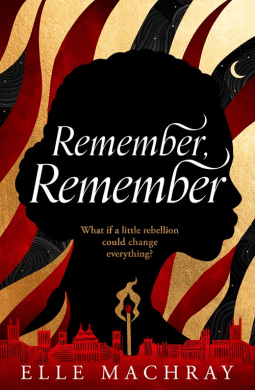
1770. Delphine lives in the shadows of London: a secret, vibrant world of smugglers, courtesans and small rebellions. Four years ago, she escaped enslavement at great personal cost. Now, she must help her brother Vincent do the same.
While Britain’s highest court fails to administer justice for Vincent, little rebellions are no longer enough. What’s needed is a big, explosive plot – one that will strike at the heart of the transatlantic slave trade. But can one Black woman, one fuse and one match bring down an Empire?
Format: eARC (336 pages) Publisher: HarperNorth
Publication date: 29th February 2024 Genre: Historical Fiction
Find Remember, Remember on Goodreads
Purchase Remember, Remember from Bookshop.org [Disclosure: If you buy books linked to our site, we may earn a commission from Bookshop.org, whose fees support independent bookshops]
My Review
Remember, Remember begins as a campaign for justice, moves – after a pivotal event – to a quest for vengeance and, latterly, to a daring plan to bring about radical social change.
Vincent’s trial, which forms the first section of the book and is inspired by an actual case, exposes the conflict between the right to personal liberty and the financial interests of those who have profited from slavery and the products of slavery. But if you’re rich and powerful, perhaps you can ignore the findings of a court and impose your own form of justice, with even Parliament unable to uphold an individual’s democratic rights.
Contemporary resonances are not difficult to find; the murder of George Floyd and the Black Lives Matter movement being the obvious ones. At the same, the reader is immersed in the world of 18th century London from gentleman’s clubs to brothels, from wide streets to stinking alleys. Although the book possesses many of the hallmarks of a period adventure story – a secret conspiracy, underground tunnels, deception, betrayal and perilous escapes – its cast of characters is distinctively diverse in terms of race and sexuality.
The cruelty of slave owners towards those they view as their ‘property’ is epitomised by Lord Harvey. Ruthless, implacable and sadistic, I felt the author managed – just – to keep him from being a pantomime villain. I found some of the scenes towards the end of the book in which his true nature is revealed difficult to read.
Initially focused on achieving justice for Vincent, Delphine gradually has her eyes opened to the many other injustices in society, things that are also in desperate need of change. But when peaceful protest brings no results or is suppressed, what other options do you have? The radical solution at which Delphine eventually arrives brings a moral dilemma; essentially, do the ends ever justify the means? Personally, I found her decision problematic and its result just a little too convenient. Having said that, Remember, Remember is a bold and inventive debut novel.
I received a digital review copy courtesy of HarperNorth via NetGalley.
In three words: Imaginative, thought-provoking, immersive
Try something similar: Babel by R. F. Kuang
About the Author
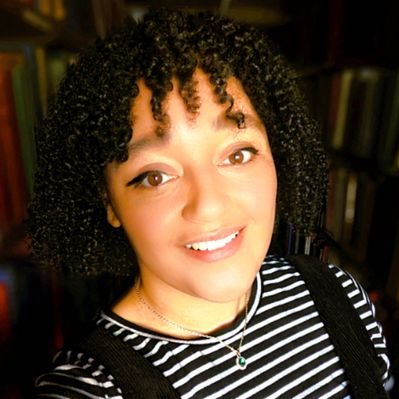
Elle Machray grew up in Birmingham to Welsh–Caribbean and Scottish parents, and is now based in Edinburgh. After graduating from the HarperCollins Author Academy in spring 2021, their debut novel Remember, Remember was longlisted for the Mslexia Novel Prize, judged by Hilary Mantel. In the fleeting moments between writing and working, you can find Elle on social media talking about neurodivergence, books and a never-ending quest to relax. (Photo: X profile)
Connect with Elle
Website | X | Instagram



 What Cathy Read Next...