My Week in Books – 10th March 2024

My Week in Books

On What Cathy Read Next last week

Monday – I shared my Top 5 February Reads.

Tuesday – I strayed from this week’s official Top Ten Tuesday topic instead sharing a list of the Ten Oldest Books in my TBR Pile.

Wednesday – As always WWW Wednesday is a weekly opportunity to share what I’ve just read, what I’m currently reading and what I plan to read next… and to take a peek at what others are reading. 

Thursday – Slowly working my way my oldest review copies, I published my review of historical mystery, The Madras Miasma by Brian Stoddart.

Saturday – I published my review of Perfume River by Robert Olen Butler.


New arrivals

A book on the longlist for The Walter Scott Prize for Historical Fiction 2024, an ARC and two non-fiction purchases.
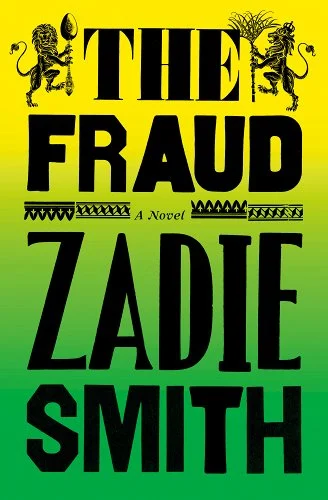
The FraudThe Fraud by Zadie Smith (Hamish Hamilton) Longlisted for The Walter Scott Prize 2024

It is 1873. Mrs Eliza Touchet is the Scottish housekeeper – and cousin by marriage – of a once famous novelist, now in decline, William Ainsworth, with whom she has lived for thirty years.

Mrs Touchet is a woman of many interests: literature, justice, abolitionism, class, her cousin, his wives, this life and the next. But she is also sceptical. She suspects her cousin of having no talent; his successful friend, Mr Charles Dickens, of being a bully and a moralist; and England of being a land of facades, in which nothing is quite what it seems.

Andrew Bogle meanwhile grew up enslaved on the Hope Plantation, Jamaica. He knows every lump of sugar comes at a human cost. That the rich deceive the poor. And that people are more easily manipulated than they realise. When Bogle finds himself in London, star witness in a celebrated case of imposture, he knows his future depends on telling the right story.

The ‘Tichborne Trial’ captivates Mrs Touchet and all of England. Is Sir Roger Tichborne really who he says he is? Or is he a fraud? Mrs Touchet is a woman of the world. Mr Bogle is no fool. But in a world of hypocrisy and self-deception, deciding what is real proves a complicated task…
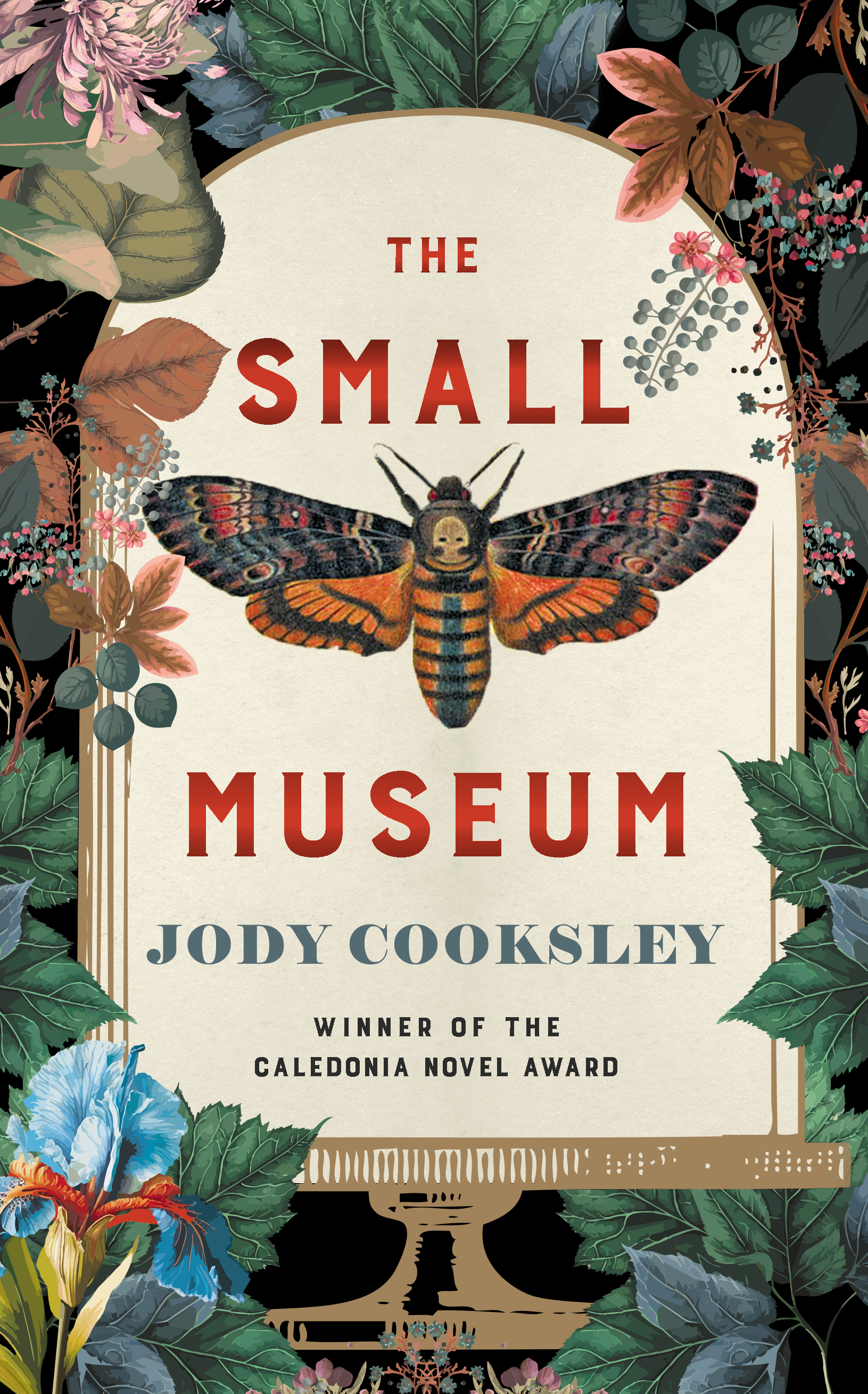
Book cover of The Small Museum by Jody CooksleyThe Small Museum by Jody Cooksley (eARC, Allison & Busby via NetGalley) 

London, 1873. Madeleine Brewster’s marriage to Dr Lucius Everley was meant to be the solution to her family’s sullied reputation. After all, Lucius is a well-respected collector of natural curiosities, his ‘Small Museum’ of bones and things in jars is his pride and joy, although kept under lock and key. His sister Grace’s philanthropic work with fallen women is also highly laudable. However, Maddie is confused by and excluded from what happens in what is meant to be her new home.

Maddie’s skill at drawing promises a role for her though when Lucius agrees to let her help him in making a breakthrough in evolutionary science, a discovery of the first ‘fish with feet’. But the more Maddie learns about both Lucius and Grace, the more she suspects that unimaginable horrors lie behind their polished reputations. Framed for a crime that would take her to the gallows and leave the Everleys unencumbered, Maddie’s only hope is her friend Caroline Fairly. But will she be able to put the pieces together before the trial reaches its fatal conclusion?
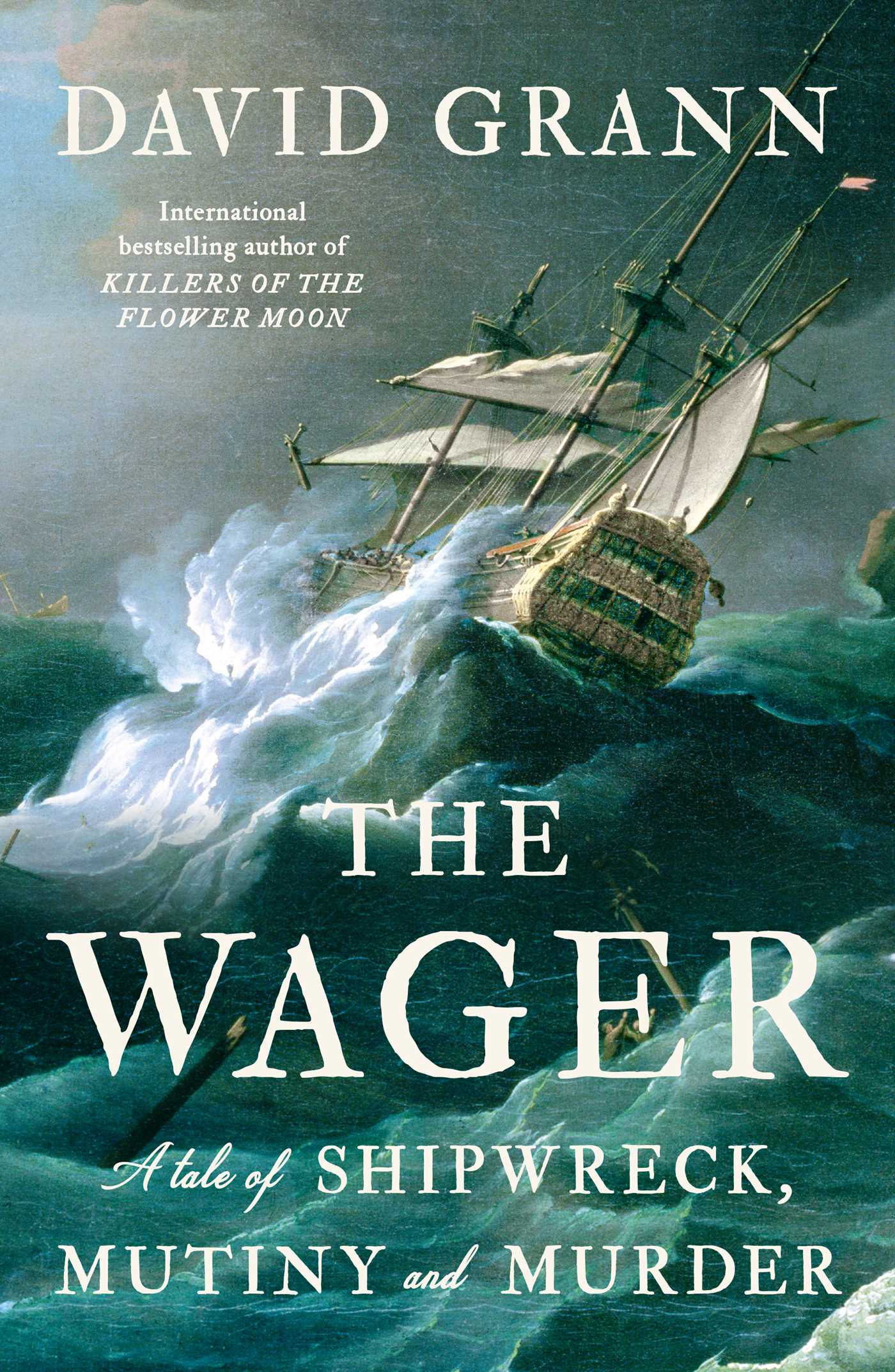
Book cover of The Wager by David GrannThe Wager by David Grann (Simon & Schuster) 

1742: A ramshackle vessel of patched-together wood and cloth washes up on the coast of Brazil. Inside are thirty emaciated men, barely alive. Survivors from the Wager, a British vessel wrecked while on a secret mission to raid a Spanish treasure-filled galleon, they have an extraordinary story to tell. 

Six months later, an even more decrepit boat comes ashore on the coast of Chile, containing just three castaways with their own, very different account of what happened. The thirty sailors who landed in Brazil, they maintain, were not heroes – they were mutineers.

As accusations of treachery and murder fly, who is telling the truth? The stakes are life-and-death — for whoever is guilty could hang.
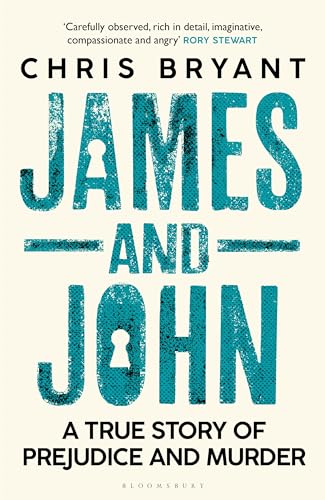
James and JohnJames and John: A True Story of Prejudice and Murder by Chris Bryant (Bloomsbury) 

They had nothing to expect from the mercy of the crown; their doom was sealed; no plea could be urged in extenuation of their crime, and they well knew that for them there was no hope in this world.

When Charles Dickens penned these words in 1835 after visiting the infamous Newgate Prison, where seventeen men who had been sentenced to death were awaiting news of their pleas for mercy. Two men stood out: James Pratt and John Smith, who had been convicted of the ‘unnatural offense’ of ‘s-d-my’, a crime so unmentionable it was never named. That was why they alone despaired and, as the turnkey told Dickens, why they alone were ‘dead men’.

The 1830s ushered in great social reform in Britain. In a few short years the government swept away slavery, rotten boroughs, child labour, bribery and corruption in elections, the ban on trade unions and civil marriage. They also curtailed the ‘bloody code’ that treated 200 petty crimes as capital offences. Some thought the death penalty itself was wrong; there had not been a hanging at Newgate for two years. Yet when the King met with his ‘hanging’ Cabinet, they decided to reprieve all bar two men. When James and John were sent to the gallows in November 1935, they became the last men in England to be executed for being gay. Why were they alone not spared? 

In this masterful work, Chris Bryant delves deep into the archives to recreate the lives of two men whose names are known to history – but whose story has been lost, until now.


On What Cathy Read Next this week

Currently reading


Planned posts

  • Book Review: Our Souls at Night by Kent Haruf
  • Book Review: Sufferance by Charles Palliser
  • Book Review: Clear by Carys Davies
  • Book Review: Diva by Daisy Goodwin

My Week in Books – 3rd March 2024

My Week in Books

On What Cathy Read Next last week

Monday – I published my review of The Other Princess by Denny S. Bryce.

Tuesday – This week’s Top Ten Tuesday topic was on the theme of nature and my list was Books with Animals in the Title.

Wednesday – I celebrated publication day of thriller, Those Who Fear Us with a Q&A with its author, Anthony Estrada. And as always WWW Wednesday is a weekly opportunity to share what I’ve just read, what I’m currently reading and what I plan to read next… and to take a peek at what others are reading. 

Friday – Slowly working my way through the oldest approvals on my NetGalley shelf, I published my review of historical novel, A Tapestry of Treason by Anne O’Brien.

Saturday – I took part in the #6Degrees of Separation meme, forging a chain from Tom Lake by Ann Patchett to Rogue Male by Geoffrey Household.


New arrivals

Four books on the longlist for The Walter Scott Prize for Historical Fiction 2024 and three ARCs

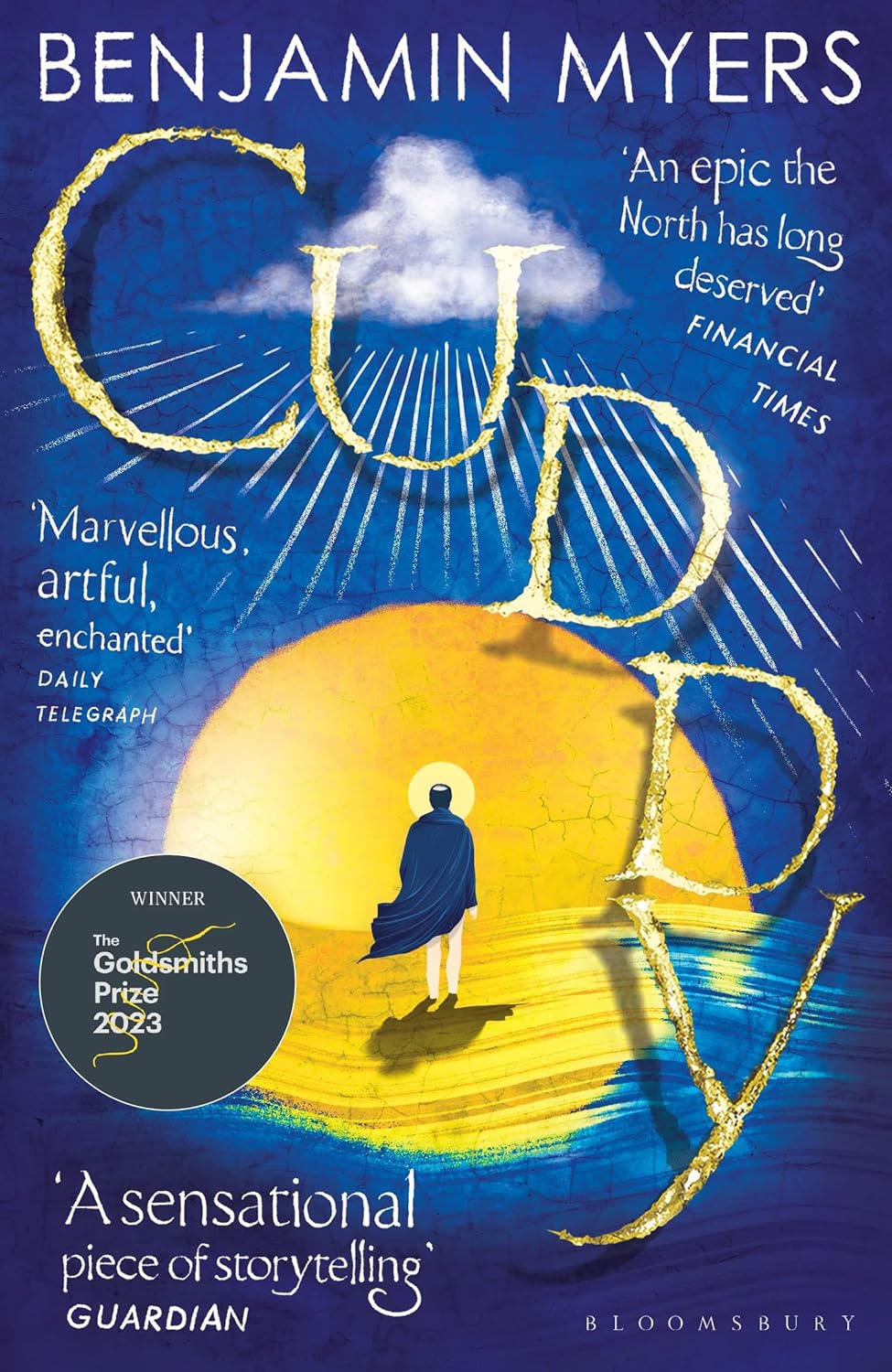
CuddyCuddy by Benjamin Myers (Bloomsbury) Longlisted for The Walter Scott Prize 2024

Cuddy is a bold and experimental retelling of the story of the hermit St. Cuthbert, unofficial patron saint of the North of England. Incorporating poetry, prose, play, diary and real historical accounts to create a novel like no other, Cuddy straddles historical eras – from the first Christian-slaying Viking invaders of the holy island of Lindisfarne in the 8th century to a contemporary England defined by class and austerity.

Along the way we meet brewers and masons, archers and academics, monks and labourers, their visionary voices and stories echoing through their ancestors and down the ages. And all the while at the centre sits Durham Cathedral and the lives of those who live and work around this place of pilgrimage – their dreams, desires, connections and communities.

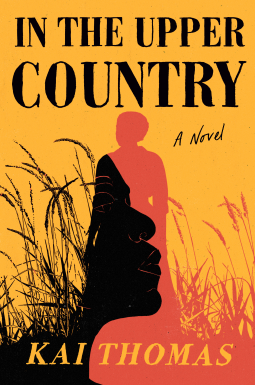
In the Upper CountryIn the Upper Country by Kai Thomas (John Murray) Longlisted for The Walter Scott Prize 2024

In the 1800s in Dunmore, a Canadian town settled by people fleeing enslavement in the American south, young Lensinda Martin works for a crusading Black journalist.

One night, a neighboring farmer summons Lensinda after a slave hunter is shot dead on his land by an old woman who recently arrived via the Underground Railroad. When the old woman refuses to flee before the authorities arrive, the farmer urges Lensinda to gather testimony from her before she can be condemned for the crime.

But the old woman doesn’t want to confess. Instead she proposes a barter: a story for a story. And so begins an extraordinary exchange of tales that reveal an interwoven history of Black and Indigenous peoples in a wide swath of what is called North America.

As time runs out, Lensinda is challenged to uncover her past and face her fears in order to make good on the bargain of a story for a story. And it seems the old woman may carry a secret that could shape Lensinda’s destiny.

Mister Timeless BlythMister Timeless Blyth: A Biographical Novel by Alan Spence (Tuttle Publishing) Longlisted for The Walter Scott Prize 2024

Imprisoned during World War I as a conscientious objector and interned during World War II as an enemy alien, Reginald Horace Blyth was a poet, a scholar, a musician, a linguist and a student of Zen who ultimately became teacher to the Japanese Emperor. His pivotal works were published in Japan even during his internment. He ultimately became the key link and mediator between the Imperial Household and the occupying American forces, whom many credit with saving Japan from chaos after the war.

His fingerprints are everywhere today in the study of Zen, Haiku and Japanese culture, and his work has influenced some of the most important writers of the 20th century – including Huxley, Oshi, Aiken, Watts, Salinger, Kerouac, Ginsberg and others. He was, in many ways, a man who changed the world. Mister Timeless Blyth is his story.

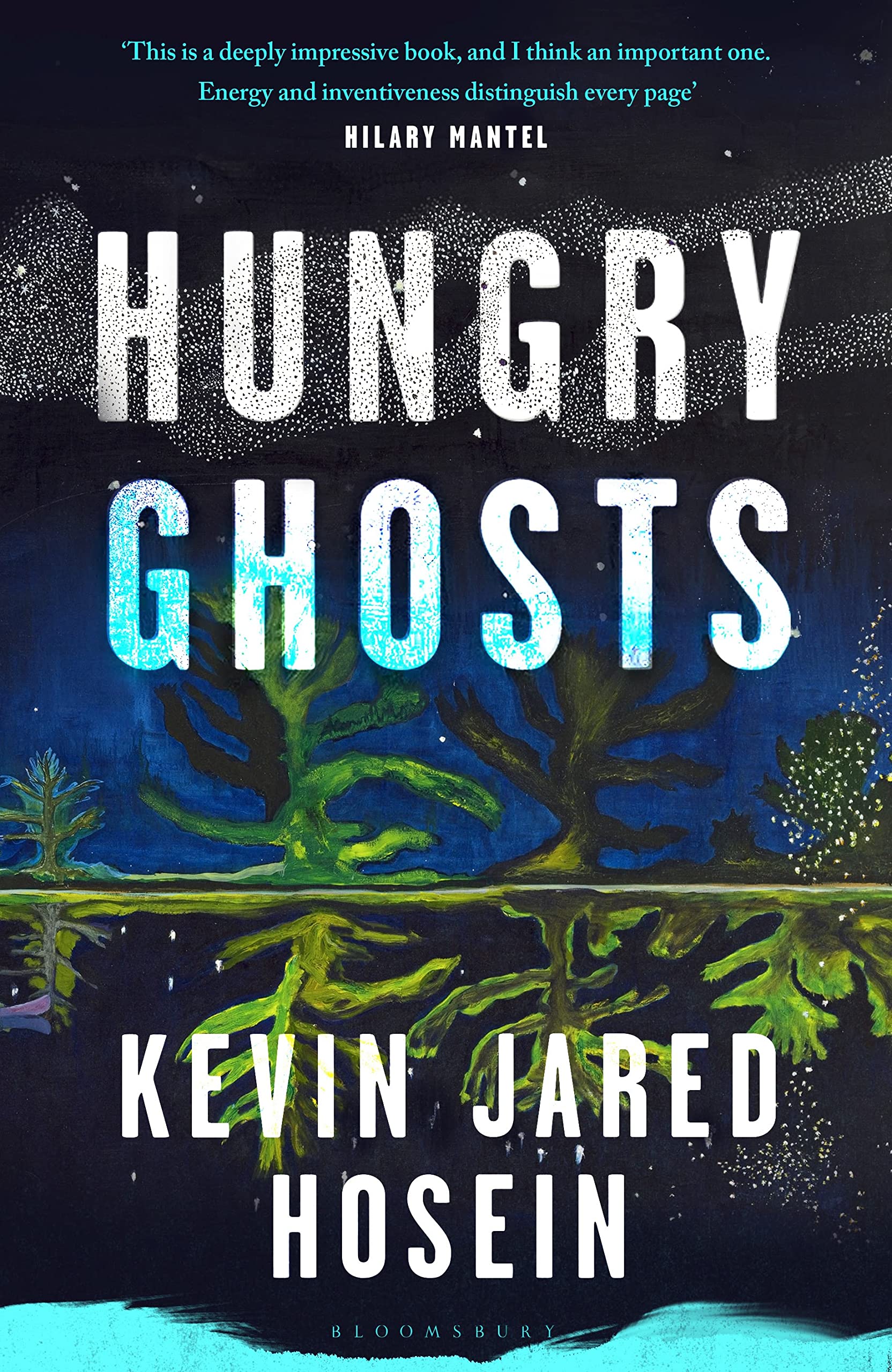
Hungry GhostsHungry Ghosts by Kevin Jared Hosein (Review copy, Bloomsbury) Longlisted for The Walter Scott Prize 2024 and The Swansea University Dylan Thomas Prize 2024

1940, Rural Trinidad. On a hill overlooking Bell Village sits the Changoor farm, where Dalton and Marlee Changoor live in luxury unrecognisable to those who reside in the farm’s shadow. Down below is the barrack, a ramshackle building of wood and tin, divided into rooms occupied by whole families. Among these families are the Saroops – Hans, Shweta, and their son, Krishna, who live hard lives of backbreaking work, grinding poverty and devotion to faith.

When Dalton Changoor goes missing and Marlee’s safety is compromised, farmhand Hans is lured by the promise of a handsome stipend to move to the farm as watchman. But as the mystery of Dalton’s disappearance unfolds their lives become hellishly entwined, and the small community altered forever.

ClearClear by Carys Davies (eARC, Granta via NetGalley)

1843. On a remote Scottish island, Ivar, the sole occupant, leads a life of quiet isolation until the day he finds a man unconscious on the beach below the cliffs. The newcomer is John Ferguson, an impoverished church minister sent to evict Ivar and turn the island into grazing land for sheep. Unaware of the stranger’s intentions, Ivar takes him into his home, and in spite of the two men having no common language, a fragile bond begins to form between them. Meanwhile on the mainland, John’s wife Mary anxiously awaits news of his mission.

Dark FrontierDark Frontier by Matthew Harffy (eARC, Head of Zeus via NetGalley)

A man can flee from everything but his own nature.

1890. Lieutenant Gabriel Stokes of the British Army left behind the horrors of war in Afghanistan for a role in the Metropolitan Police. Though he rose quickly through the ranks, the squalid violence of London’s East End proved just as dark and oppressive as the battlefield.

With his life falling apart, and longing for peace and meaning, Gabriel leaves the grime of London behind and heads for the wilderness and wide open spaces of the American West.

He soon realises that the wilds of Oregon are far from the idyll he has yearned for. The Blue Mountains may be beautiful, but with the frontier a complex patchwork of feuds and felonies, and ranchers as vicious as any back alley cut-throat in London, Gabriel finds himself unable to escape his past and the demons that drive him. Can he find a place for himself on the far edge of the New World?

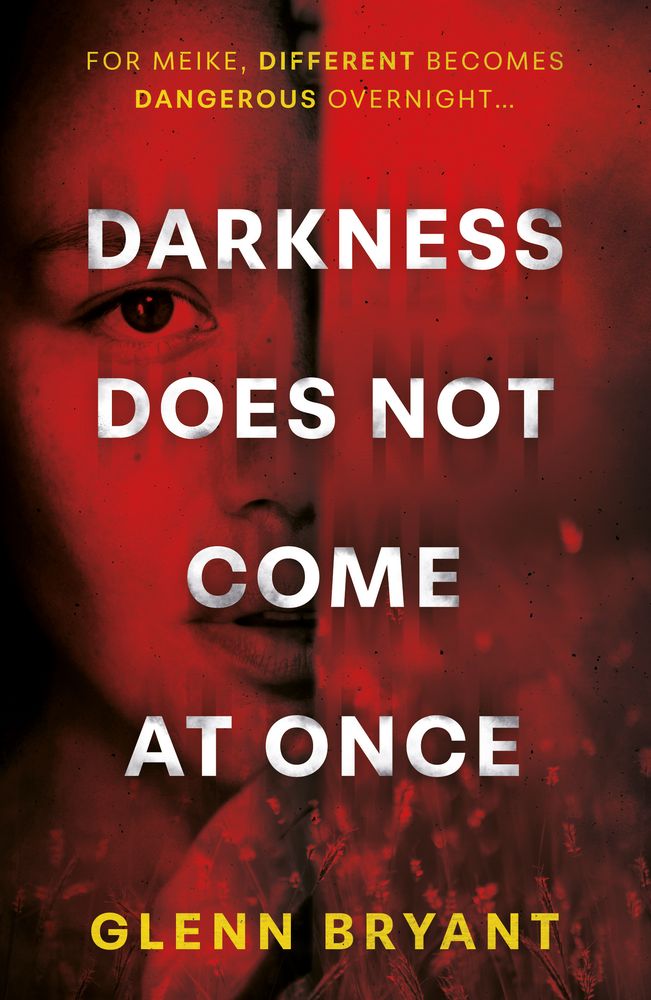
Darkness Does Not Come At OnceDarkness Does Not Come At Once by Glenn Bryant (eARC, BookGuild)

Meike is seventeen and she uses a wheelchair. Already in life she’s accepted that she’ll always somehow be ‘different’. But overnight, different becomes dangerous after the government announces disabled youngsters under the age of eighteen must spend the war in specially designated institutions.

Suddenly Meike is on the run in the rural lanes she calls home, bordering Berlin. It is 1939 and the whole of Germany, it seems, wants to fight the world.

Quietly, members of Meike’s family distance themselves, but two unlikely allies stand by her. One is an elderly woman and a lifelong Catholic, forced to question her faith; the other is a fifteen-year-old boy Meike hardly knows. They begin a search for answers as they scramble to find Meike and, in a country they no longer recognise, themselves.


On What Cathy Read Next this week

Currently reading


Planned posts

  • Book Review: All Day at the Movies by Fiona Kidman
  • Book Review: Perfume River by Robert Olen Butler
  • Book Review: Our Souls at Night by Kent Haruf
  • Book Review: Sufferance by Charles Palliser