
About the Book
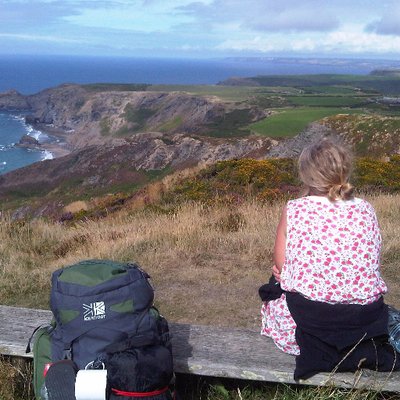
Nature holds the answers for Raynor and her husband Moth. After walking 630 homeless miles along The Salt Path, living on the windswept and wild English coastline; the cliffs, the sky and the chalky earth now feel like their home.
Moth has a terminal diagnosis, but against all medical odds, he seems revitalized in nature. Together on the wild coastal path, with their feet firmly rooted outdoors, they discover that anything is possible.
Now, life beyond The Salt Path awaits and they come back to four walls, but the sense of home is illusive and returning to normality is proving difficult – until an incredible gesture by someone who reads their story changes everything.
A chance to breathe life back into a beautiful farmhouse nestled deep in the Cornish hills; rewilding the land and returning nature to its hedgerows becomes their saving grace and their new path to follow.
The Wild Silence is a story of hope triumphing over despair, of lifelong love prevailing over everything. It is a luminous account of the human spirit’s instinctive connection to nature, and how vital it is for us all.
Format: Hardcover (288 pages) Publisher: Michael Joseph
Publication date: 3rd September 2020 Genre: Memoir, Nonfiction
Find The Wild Silence on Goodreads
Purchase links*
Amazon UK | Hive (supporting UK bookshops)
*links provided for convenience not as part of an affiliate programme
My Review
I recently read – and loved – The Salt Path by Raynor Winn so how could I resist reading this, the follow-up to that book, especially as Raynor Winn took part in this year’s online Henley Literary Festival and I was lucky enough to bag myself a ticket.
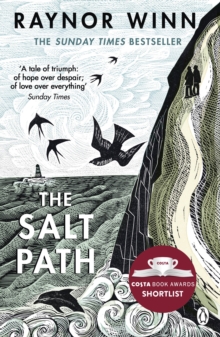
In The Wild Silence, Raynor Winn recounts how the writing of The Salt Path came about, namely her growing realization that Moth had no memory of certain events during their time on the South West Coast Path. “He had let go of a moment that hung so brightly on my tree of memory that I could find its glow in any dark place. But for him the light had dimmed and gone.” She decides to transfer the pencilled notes from their trusty guidebook into a more readable form. “If the guidebook could put me on the path, could it do so for Moth too?”
The book goes on to describe the journey to publication of the book that eventually became The Salt Path (not the author’s original preferred title) and readers’ reaction to it. An introvert by nature, Raynor talks honestly about how difficult initially she found it to attend public events to promote the book. However, hearing the very personal responses to it – “Stories of lives lived, loves lost and walks that changed beliefs” – made it easier over time.
Ironically, it is publicity for The Salt Path that leads to an offer too tempting for Raynor and Moth to refuse – the chance to restore a neglected cider farm and increase its biodiversity. As Raynor notes, “The South West Coast Path had led us out of anguish and despair to a place of hope and possibility. And now, by walking it again on paper, The Salt Path had led us to the farm.”
What started as observation in The Salt Path, namely the positive impact on Moth’s health of their time on the South West Coast Path, is translated in The Wild Silence into a passionate thesis on the contribution that exposure to the natural world has on our physical and mental health. In particular, human interaction with the chemicals emitted by plants. “We need the plants, the land, the natural world; we actually physically need it.”
And it seems to work, having an effect on not just Moth’s health but the natural world on and around the farm. “As surely as removing heavy human interference from the land was allowing the wildlife to return to the farm, so Moth was surviving by returning to a more natural state of existence.” That wildlife includes mice, ospreys, herons, badgers, roe deer, moles, foxes, goat moths, skylarks, goldfinches and toads – not all of it outside the farmhouse.
In fact, Moth’s health is restored to such an extent that he proposes they undertake another long walk. I won’t say where except that it’s through a cold, harsh environment.
As in The Salt Path there is some wonderful writing such as this description of sunset over the Cornish coast: “Torn ribbons of colour fluttering across the evening sky, a maypole dance of light“. Or this, describing the impact of the cider farm being restored: “A deep glow of noise, moving like a whisper across land freed from pollution, lifting over pollen-filled banks of new-sown flowers.”
If you loved The Salt Path you’ll enjoy finding out what happened next and immersing yourself in more of Raynor Winn’s passionate advocacy of the benefits of nature. I received an advance review copy courtesy of Michael Joseph via NetGalley.
In three words: Honest, inspiring, heartfelt
Try something similar: The Outrun by Amy Liptrot
Follow this blog via Bloglovin
About the Author
Since travelling the South West Coastal Path, Raynor Winn has become a regular long-distance walker and writes about nature, homelessness and wild camping. Her first book, The Salt Path, was a Sunday Times bestseller and shortlisted for the 2018 Costa Biography Award. In The Wild Silence, Raynor explores readjusting to life after homelessness. She lives in Cornwall with her husband Moth.
Connect with Raynor
Twitter


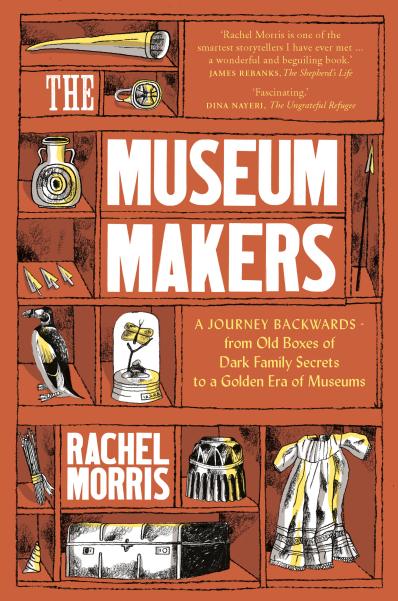
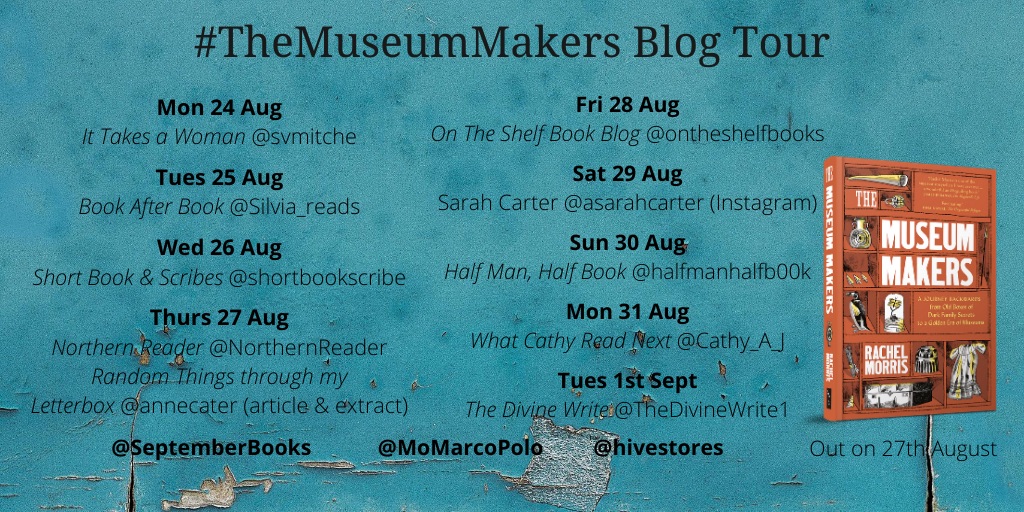 Welcome to today’s stop on the blog tour for The Museum Makers by Rachel Morris. My thanks to Diana Riley for inviting me to take part in the tour and to September Publishing for my review copy.
 About the Book
 About the Author
 What Cathy Read Next...