
My guest today is Eva Nevarez St. John whose memoir, When Tough Cookies Crumble: A True Story of Friendship, Murder and Healing was published on 30th July 2024. Read on as I chat with Eva about her book and the story behind it.
About the Book
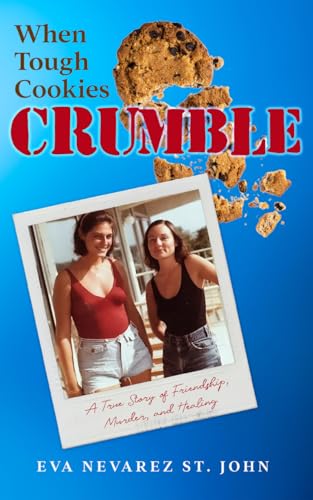
Two tough cookies. Breaking barriers in careers and love. Until one is murdered…
Janice Starr and Eva Booker became best friends when they met as soldiers in the Women’s Army Corp in Korea in 1978. In a time of rapid social change, they tested the limits of women’s liberation and the sexual revolution.
After they moved to Washington D.C. together, Janice and Eva supported each other as they faced the challenges of continuing their military careers in the Army Reserves, navigating jobs, going to school, and dating. Their friendship went through ups and downs, but their bond was never broken.
In the summer of 1981, Janice moved to southern Virginia on her own. Three months later she disappeared without a trace. Eva knew who was responsible for Janice’s disappearance, but the only one who believed her was Detective Kay Lewis. Another tough cookie, Detective Lewis overcame the obstacles put in her way by her colleagues and superiors to pursue Janice’s killer and find Janice.
Find When Tough Cookies Crumble on Goodreads
Purchase When Tough Cookies Crumble from Amazon
Interview with Eva Nevarez St. John, author of When Tough Cookies Crumble
When Tough Cookies Crumble is based on your own personal experiences. What inspired you to turn them into a book?
The book is about the murder of one of my best friends in 1981. The lead detective in the case contacted me in 2019 about writing a book. Initially, we worked on it together, but later she decided to have a man write it. I didn’t want the book to just be about Janice’s murder and I didn’t trust a man to write her story. That’s why I had to write my own book about our friendship, our experiences as female soldiers, what led to her murder, and the process of healing from the trauma through the writing of the book.
Tell us a bit about your friend Janice. How did you first meet? What drew you to each other? What did you admire about her?
Janice and I were roommates in Seoul, Korea, where we were among a small minority of female soldiers in the military. We bonded over our common experiences and interests. Janice was 19 and I was 21 when we met. She looked up to me like a big sister. We felt comfortable sharing everything with each other, which we continued to do in letters after my tour ended in Korea, until we reunited a year later. We moved to the Washington D.C. area together, where we supported each other in facing the challenges of school, work, continuing our military careers, and dating.
What challenges did you face when writing about something so personal?
This was an extremely hard book to write. It was challenging to relive the experiences I wrote about from this time in my life. Also, I learned disturbing details while researching the book that I didn’t know at the time. Writing about the roles that others played in the story was difficult, as well. I had a lot of fear about exposing the personal details in the book. The personal and professional support and feedback I received helped me get through it. In the end, I believe everything I wrote about in the book was necessary to tell the story.
You describe the period in which the book is set as ‘a time of rapid social change’ in America. How did this manifest itself for you personally?
Janice and I joined the Army in 1976. The Vietnam War had just ended. Women were beginning to explore careers in non-traditional fields, such as the military. The sexual revolution was redefining the roles women could play beyond marriage and motherhood. Civil rights and race relations were challenging the status quo. Janice and I had to deal with sexism and racism, both of which impacted the investigation into her disappearance.
The book is subtitled ‘A True Story of Friendship, Murder, and Healing’. Can you say more about the healing aspect?
I don’t think I truly began the healing process until I started writing the book. I had buried Janice and that time in my life deep in my subconscious. I numbed my feelings with drugs, alcohol and sex for most of my life. I tried to get clean several times, but I couldn’t be successful in the long-term because I wasn’t dealing with the underlying trauma. When the detective contacted me about writing the book, I had a reason to face my demons.
First, I went to counseling through the VA (Veterans Administration), so I could begin processing the traumatic experiences that I had to write about. Then I went to Narcotics Anonymous meetings with a willingness to commit to the program 100%. The next step was to learn about the craft of writing, in general, and memoir, in particular. I found inspiration and courage by reading many memoirs. I pursued spiritual practices, such as meditation and following spiritual teachers. I started taking better care of myself by exercising and eating better. Healing is an ongoing process for me.
What message would you like readers to take away from the book?
The biggest takeaway I would like readers to get from the book is to be careful about trusting someone too quickly. Take your time to get to know them. Look out for red flags, like they want to get serious too fast, they isolate you from your friends and family, and they make you question your own instincts. Talk to people you trust about the relationship and take their feedback seriously. Follow your gut and your intuition. There are bad people out there looking for someone to take advantage of. They can be very convincing and manipulative.
Another message is don’t be afraid to face trauma from your past. It is probably having a negative impact on your life in ways you don’t even realize. Find support to help you work through it. Writing about it can be very therapeutic, even if you don’t plan to share it with anyone.
Is this the end of your writing journey – or just the beginning?
I hope it is the beginning. I have always wanted to be a writer. I did have a couple of articles published in genealogy journals. I want to write more of those. I’m also considering writing another book about my family history.
Thank you, Eva, for sharing your writing journey with us.
About the Author
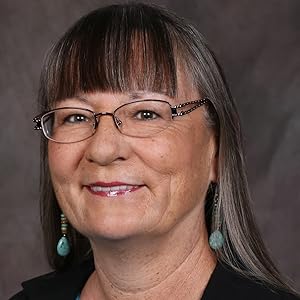
Eva Nevarez St. John was an Army brat, soldier, lawyer, and nonprofit manager. She continues to be a nonprofit consultant, social activist, writer, and genealogist. Eva currently lives in southern New Mexico.
Eva fell in love with books at a young age. She particularly loves to read about the wide range of life experiences and perspectives in memoir. The process of writing When Tough Cookies Crumble: A True Story of Friendship, Murder, and Healing helped her heal from the traumas she wrote about and to grow as a person. Visit Eva’s website for recommendations of other memoirs and resources for writing memoir.
Connect with Eva
Website | Facebook




 What Cathy Read Next...