
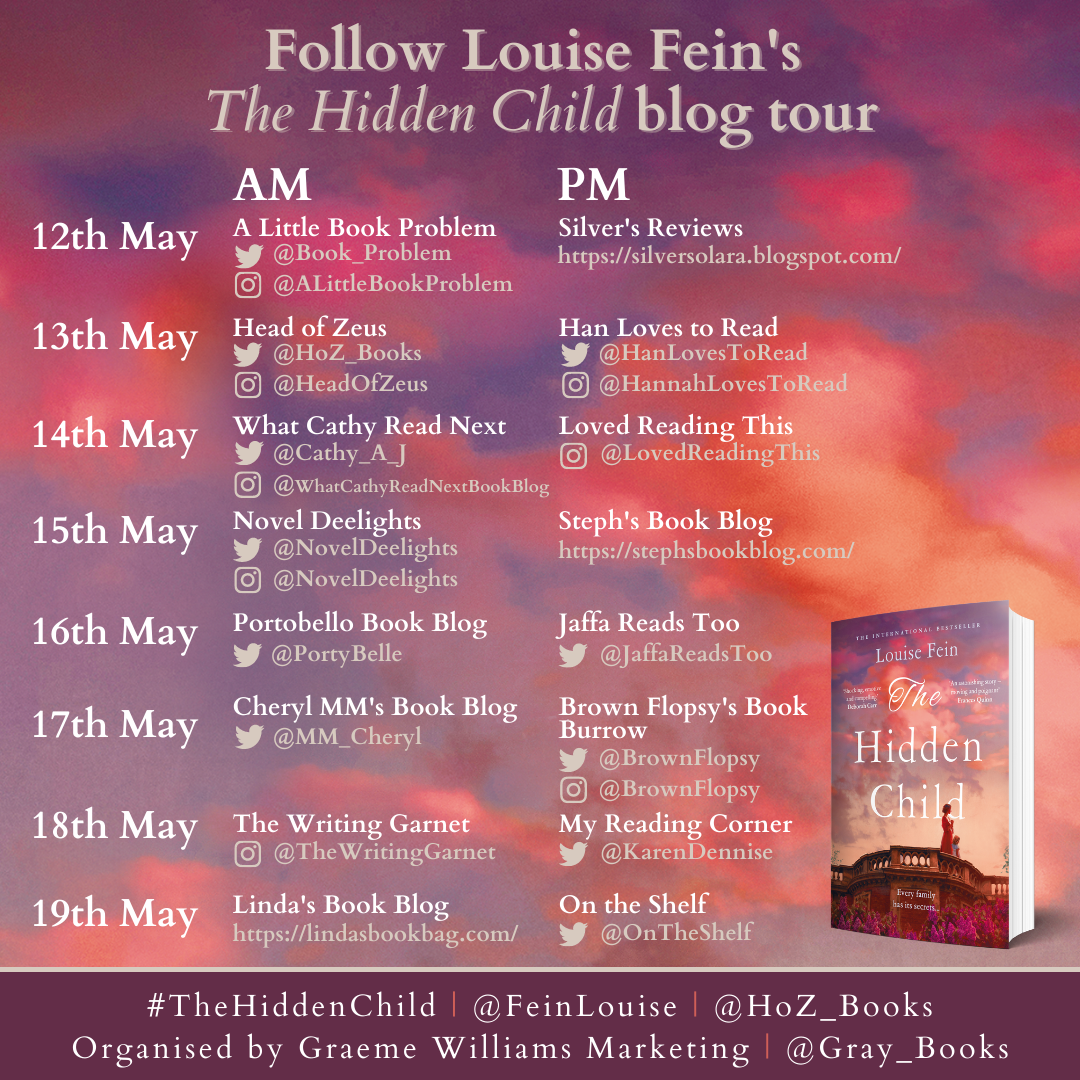
The Hidden Child was one of my favourite books of 2021. Its subject matter really resonated with me and you can find out exactly why here. The Hidden Child is now available in paperback and to celebrate its publication I’m delighted to welcome Louise Fein to What Cathy Read Next today to share her five favourite historical fiction novels. (They happen to include some of my favourites too.) If you haven’t read them, be prepared to add them to your shopping list – along with The Hidden Child of course!
 About the Book
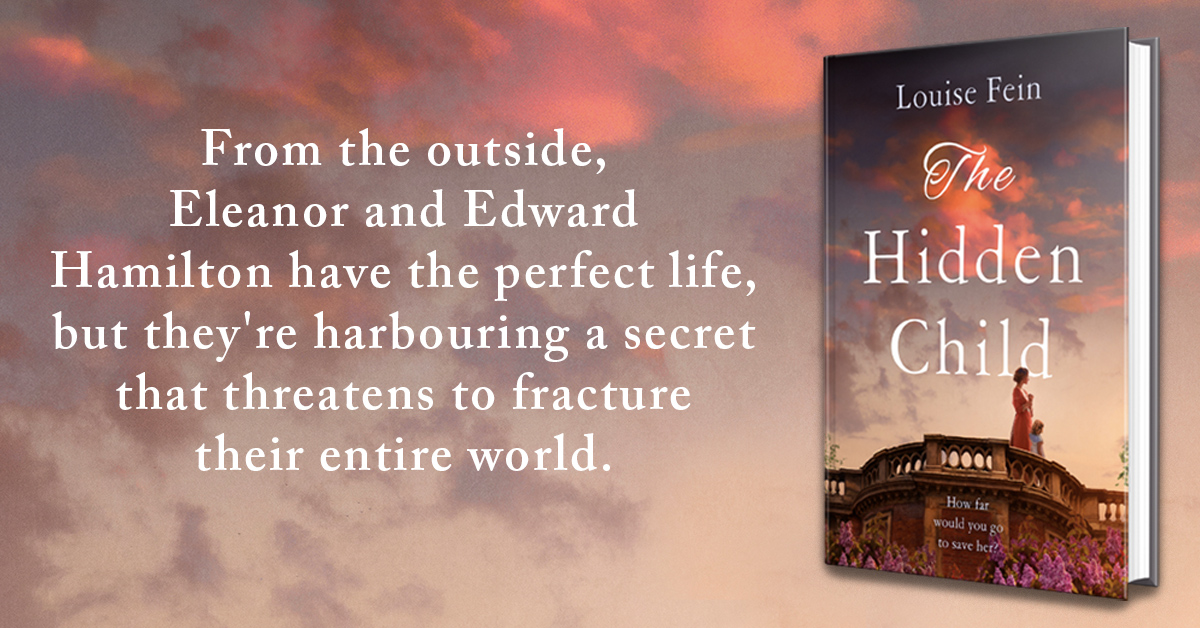
From the outside, Eleanor and Edward Hamilton are the epitome of the perfect marriage but they’re harbouring a shameful secret that threatens to fracture their entire world.
London, 1929. Eleanor Hamilton is a dutiful mother, a caring sister and adoring wife to a celebrated war hero. Her husband, Edward, is a pioneer in the eugenics movement. The Hamiltons are on the social rise, and it looks as though their future is bright.
When Mabel, their young daughter, begins to develop debilitating seizures, they have to face an uncomfortable truth: Mabel has epilespy – one of the ‘undesirable’ conditions Edward campaigns against.
Forced to hide their daughter away so as to not jeopardise Edward’s life’s work, the couple must confront the truth of their past – and the secrets that have been buried. Will Eleanor and Edward be able to fight for their family? Or will the truth destroy them?
Find The Hidden Child on Goodreads
Purchase links
Bookshop.org
Disclosure: If you buy a book via the above link, I may earn a commission from Bookshop.org, whose fees support independent bookshops
Hive | Amazon UK
Links provided for convenience only, not as part of an affiliate programme
‘My Top 5 Historical Fiction Novels’ by Louise Fein
Louise writes: Reading is crucial for any historical fiction novelist, and for writing The Hidden Child I tried to read not only factual books, but also fiction set during the time period in which I was writing. Trying to narrow down my all-time top five historical novels is tricky, as there are so many, but I have narrowed them down to the following:
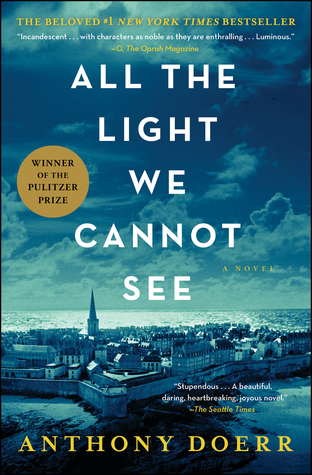 All The Light We Cannot See – Anthony Doerr
This is a beautiful novel, set during World War Two, which I found very inspirational when writing my debut novel. It remains one of my all-time favourite books. Exquisitely written, it tells the story of Marie-Laure, a blind French girl and Werner, a bright German orphan boy who find a connection against the odds and across Europe, illuminating how small acts of kindness make all the difference, and see people through during the darkest of times. An extraordinary book which really is a must read!
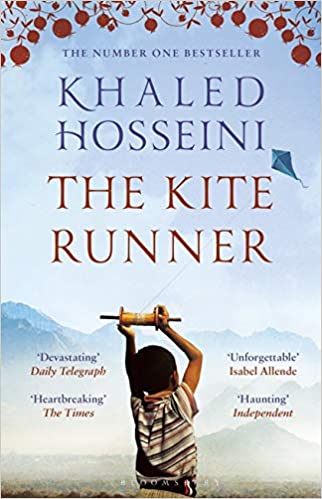 The Kite Runner – Khaled Hosseini
This is another of my all-time favourites. Set in Kabul in the 1970’s this is a heart-breaking and eye-opening novel of Afghanistan past. Set in 1975, in times of peace, Amir is a twelve-year-old boy whose only concern is to win a fiercely competitive kite-flying competition. His loyal friend Hassan will help him. But a horrific traumatic event caused to Hassan and witnessed by Amir that afternoon shatters their lives and friendship. The Russian invasion follows and the family is forced to flee to America. As an adult, Amir must return to a modern and very different Afghanistan to seek some sort of peace with his past. A book which will stay with you long after the last page.
 Fingersmith – Sarah Waters
This is a historical crime novel set in Victorian London and contains the best twist I have ever read in any book. It’s so clever, as well as being brilliantly and absorbingly written. Sue Trinder is an orphan and brought up by thieves and pickpockets in a house of fingersmiths in South London. She is certain of one thing – her place as favourite and the love of Mrs Sucksby who took her in when her own mother was executed for a crime. But her fate is sealed when she is recruited by the well-spoken ‘Gentleman’ to dupe a rich young lady, Maud, and she is to help persuade Maud into marrying him. I won’t say more as I don’t want to give anything away, but this novel is so evocative and brilliantly twisty, with flavours of Dickens – I couldn’t recommend it more!
 Small Island – Andrea Levy
This affecting book is set shortly after World War Two and is an extraordinary novel about the false promises of empire and the prejudices and racism inherent in British society. When Hortense and husband Gilbert, who had fought against Hitler for the RAF, arrive in England from Jamaica in 1948 in search of a better life, they do not get the welcome they had been led to expect. They are forced to lodge with Queenie Bligh who earns her neighbours’ wrath when she must take in lodgers since her husband Bernard hasn’t returned after the war. The author skilfully and with great observation, humour and generosity, examines prejudice and the pre-conceived ideas we all have for each other. Absolutely wonderful.
 To Kill A Mockingbird – Harper Lee
I have read this book several times and am always affected by its wisdom and powerful storytelling, especially given that it was written in 1960, a time when attitudes were very different to today. Told from the perspective of Scout Finch, mainly as a child, but also reflective from her adult perspective, it is the story of her father, Atticus Finch, a lawyer in the 1930’s deep South of America, who chooses to defend a black man, Tom, who has been accused of raping a white woman, Mayella, who has most certainly been abused, but everyone knows it wasn’t Tom. Lee tells this story with such warmth and humanity, whilst at the same time exposing the worst of human nature. It is definitely one of life’s ‘must reads’.
 About the Author
Louise Fein is the author of People Like Us, her debut novel. It is a story of forbidden love and the brainwashing of a nation, set in 1930’s Leipzig, and was inspired by the experiences of her family who fled Leipzig as refugees in 1933. The novel has been published in thirteen territories and has been shortlisted for the RSL Christopher Bland Prize 2021, as well as for the RNA Historical Novel of the Year award 2021. Her second novel, The Hidden Child, is set in 1920’s England and tells the story of a couple who are ardent supporters of the burgeoning Eugenics movement, until their own daughter turns out to be not quite perfect. She holds an MA in creative writing from St Mary’s University, London, and lives in Surrey with her family.
Connect with Louise
Website | Twitter | Instagram | Facebook | Goodreads

 About the Book
 About the Author
 What Cathy Read Next...