
 On What Cathy Read Next last week
Monday – I shared my review of Storyland by Amy Jeffs, my book club’s pick for June.
Tuesday – This week’s Top Ten Tuesday topic was Most Anticipated Books Releasing in the Second Half of 2022
Wednesday – WWW Wednesday is my weekly opportunity to share what I’ve just read, what I’m currently reading and what I plan to read next… and to take a peek at what others are reading.
Thursday – I embarked on another expedition Down The TBR Hole.
Friday – I shared my review of WW2 thriller, Katastrophe by Graham Hurley as part of the blog tour.


New arrivals
A bumper week including NetGalley copies of some of my most anticipated books, ARCs for blog tours and a reward for achieving a Ruby badge on the Bookmarks site.
 The Iron Way by Tim Leach (eARC, Head of Zeus via NetGalley)
In the hard, unforgiving land at the northernmost point of the Roman Empire lies a great wall. Once, the edge had been but a thing of thought and dreams, but one day the great Emperor from across the water had grown tired of borders made from thoughts and dreams. So, a wall was raised from the earth at his command. From afar, it looked invincible.
Yet every wall has its weaknesses – if one looks close enough.
In its shadow, gather five thousand fearsome soldiers. Men bred to fight and kill. The Sarmatians have suffered capture and defeat, but under a new command they are prepared to fight again.
For of the other side of the wall there are rumours. Of men closer to giants, of warriors who fight without fear or restraint. And the Sarmatians are called to defend against them.
To stand and fight, to die for Rome.
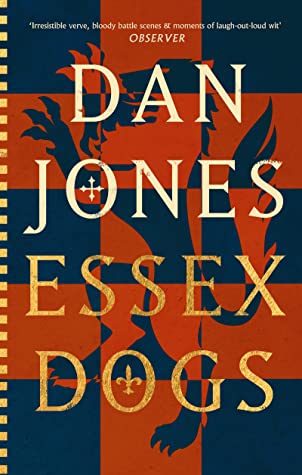 Essex Dogs by Dan Jones (eARC, Head of Zeus via NetGalley)
July 1346. The Hundred Years’ War has begun, and King Edward and his lords are on the march through France. But this war belongs to the men on the ground.
Swept up in the bloody chaos, a tight-knit company from Essex must stay alive long enough to see their home again. With sword, axe and longbow, the Essex Dogs will fight, from the landing beaches of Normandy to the bloodsoaked field of Crécy.
There’s Pismire, small enough to infiltrate enemy camps. Scotsman, strong enough to tear down a wall. Millstone, a stonemason who’ll do anything to protect his men. Father, a priest turned devilish by the horrors of war. Romford, a talented young archer on the run from his past. And Loveday FitzTalbot, their battle-scarred captain, who just wants to get his boys home safe.
Some men fight for glory. Others fight for coin. The Essex Dogs? They fight for each other.
 Lucky Jack by S. Bavey (eARC, josephtailor)
“One of the perils of being a sniper during the First World War was the likelihood of a grenade going off right next to you and burying you alive”.
Meet Jack Rogers. Born in 1894, he once locked eyes with Queen Victoria and was one of the first travellers on London’s ‘Tube’. An early car owner, he had many escapades on his days out to Brighton, including a time when his brakes failed and he had to drive through central London without them!
His skills as an entertainer earned him popularity throughout his life, and kept him out of the deadly mines while a prisoner during the First World War. At the tender age of 103 Jack earned the title of ‘The World’s Oldest Columnist’ as he began dictating his life’s exploits to a reporter from the local newspaper.
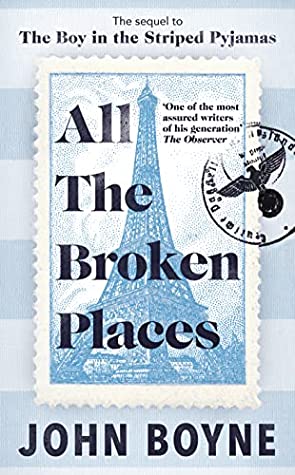 All The Broken Places by John Boyne (eARC, Doubleday via NetGalley)
1946. Three years after a cataclysmic event which tore their lives apart, a mother and daughter flee Poland for Paris, shame, and fear at their heels, not knowing how hard it is to escape your past.
Nearly eighty years later, Gretel Fernsby lives a life that is a far cry from her traumatic childhood. When a couple moves into the flat below her in her London mansion block, it should be nothing more than a momentary inconvenience. However, the appearance of their nine-year-old son Henry brings back memories she would rather forget.
Faced with a choice between her own safety and his, Gretel is taken back to a similar crossroads she encountered long ago. Back then, her complicity dishonoured her life, but to interfere now could risk revealing the secrets she has spent a lifetime protecting.
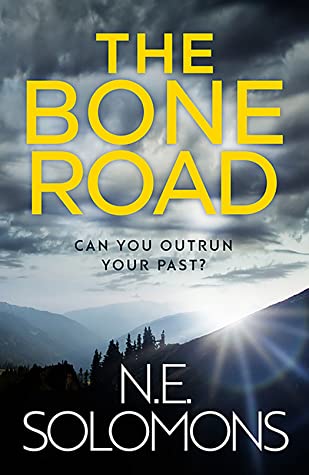 The Bone Road by N. E. Solomons (ARC, Polygon)
On the road to discovery, even the dead have secrets.
High up on a mountain road in the Balkans, former Olympic cyclist Heather Bishop races her journalist boyfriend Ryan. But when he suddenly disappears during the ride, suspicion falls on her.
Local police inspector, Simo Subotić, already has his hands full investigating two mutilated bodies that have washed up on the banks of the River Drina. Something is telling him that these two cases are connected but nothing could prepare him for what is to come.
Only together can Simo and Heather hope to uncover the truth in time. Their search not only exposes the darkness of Ryan’s past but exhumes dangerous secrets of a region still reeling from the trauma of war. Are some secrets so devastating that they should remain buried?
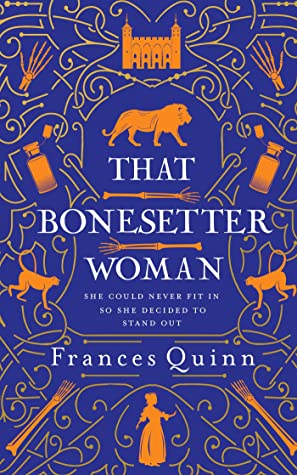 That Bonesetter Woman by Frances Quinn (eARC, Simon & Schuster via NetGalley)
Meet Endurance Proudfoot – England’s strongest woman, boldest adventurer and first female bonesetter.
Endurance Proudfoot only wants one thing in life – to follow her father and grandfather into the family business of bonesetting. It’s a physically demanding job, requiring strength, nerves of steel and discretion – and not the job for a woman.
But Durie isn’t like other women. She’s strong and stubborn and determined to get her own way. And she finds that she has a talent at bonesetting – her big hands and lack of grace have finally found their natural calling.
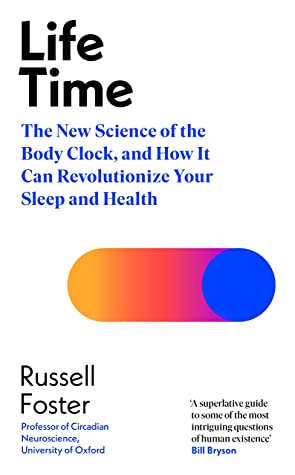 Life Time: The New Science of the Body Clock, and How It Can Revolutionize Your Sleep and Health by Russell Foster (Penguin)
In the twenty-first century, we increasingly push our daily routines into the night, carrying out work, exercise and our social lives long after dark. But we have forgotten that our bodies are governed by a 24-hour biological clock which guides us towards the best time to sleep, eat and think. New science has proven that living out of sync with this clock is not only disrupting our sleep, but leaving us more vulnerable to infection, cancer, obesity, type 2 diabetes, heart disease and mental illness.
In Life Time, Professor Russell Foster shares his life’s work, taking us on a fascinating and surprising journey through the science of our body clocks. Using his own studies, as well as insights from an international community of sleep scientists and biologists studying circadian rhythms, he illustrates the surprising effects the time of day can have on our health:
– how a walk outside at dawn can ensure a better night’s sleep
– how eating after sundown can affect our weight
– the extraordinary effects the time we take our medication can have on our risk of life-threatening conditions, such as strokes
In the modern world, we have neglected an essential part of our biology. But with knowledge of this astonishing science, we can get back into the rhythm, and live healthier, sharper lives.
On What Cathy Read Next this week
Currently reading


Planned posts
- Blog Tour/Book Review: The White Hare by Jane Johnson
- Book Review: Think of Me by Frances Liardet
- Blog Tour/Book Review: Twelve Nights by Penny Ingham

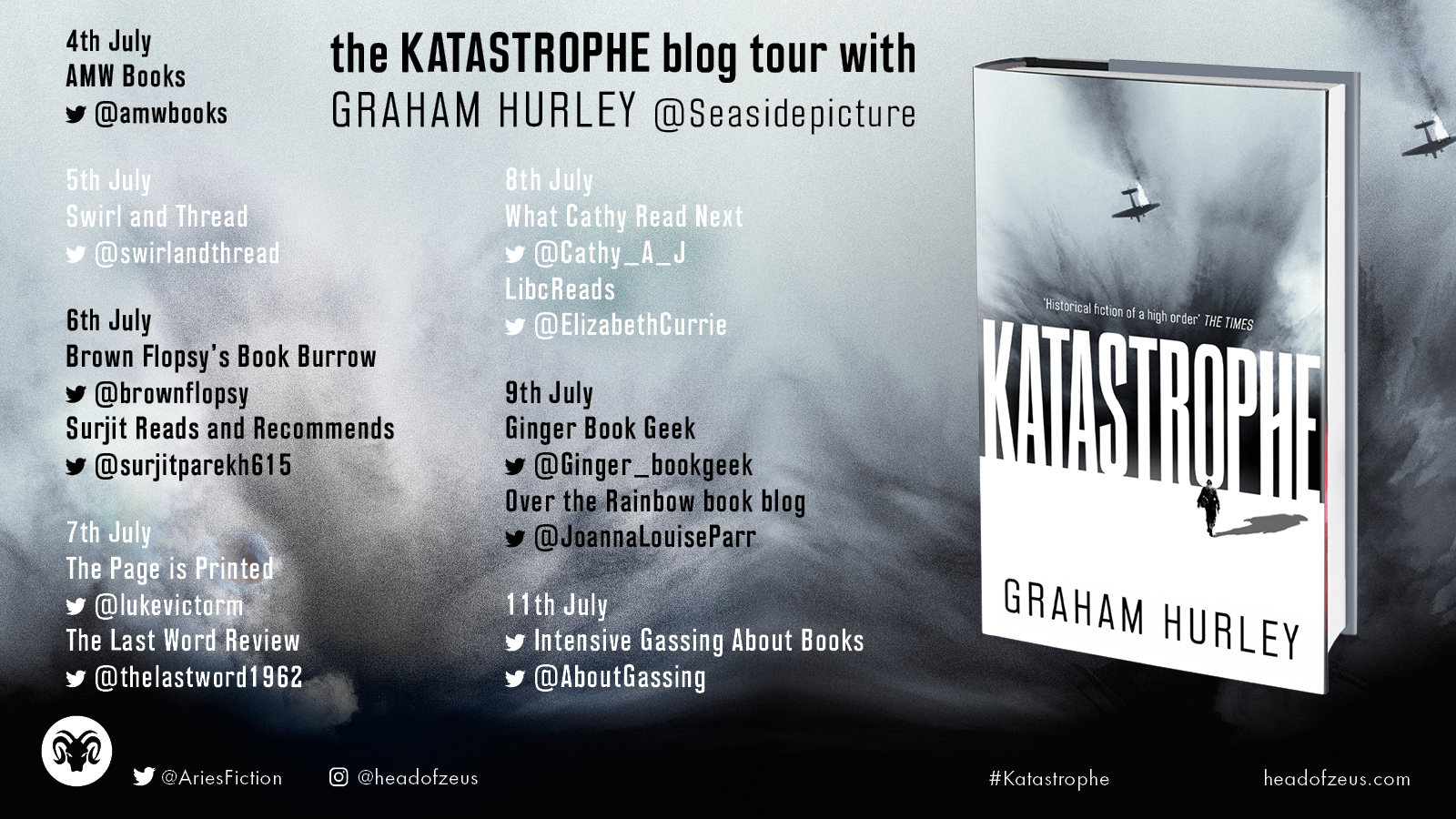 Welcome to today’s stop on the blog tour for Katastrophe by Graham Hurley. My thanks to Sophie at Ransom PR for inviting me to take part in the tour and to Head of Zeus for my review copy. Do check out the review by my tour buddy for today, Elizabeth at
 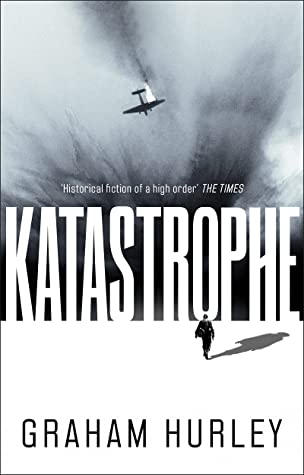 About the Book
 About the Author
 What Cathy Read Next...