
About the Book
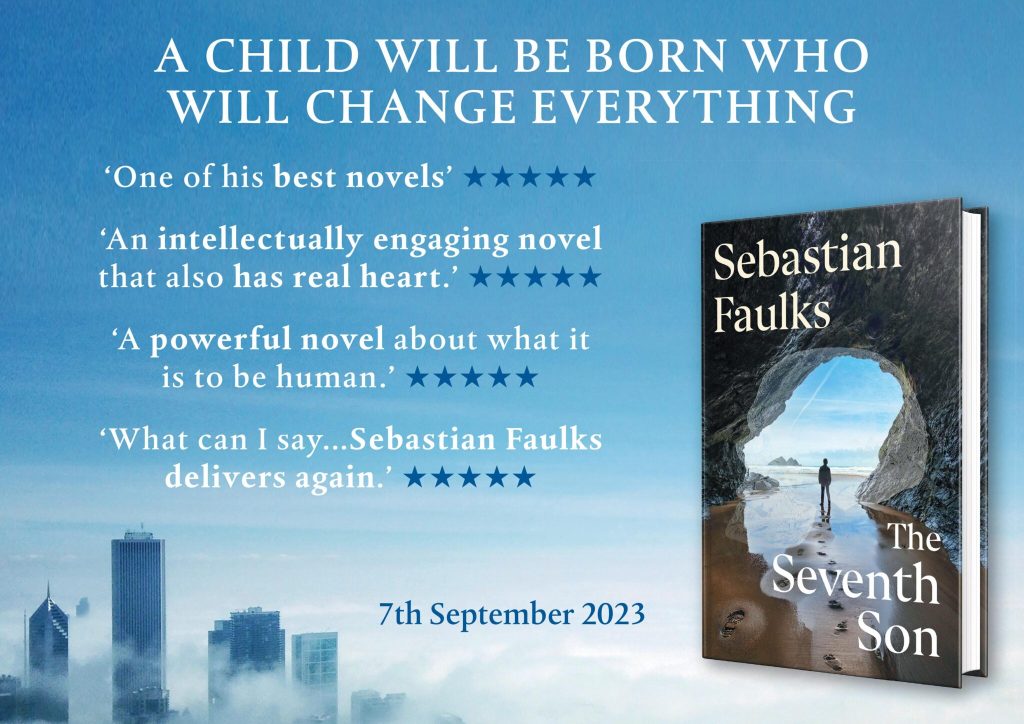
A child will be born who will change everything
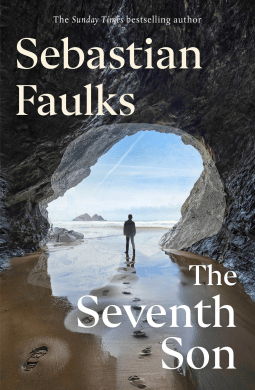
When young American academic Talissa Adam offers to carry another woman’s child, she has no idea of the life-changing consequences.
Behind the doors of the Parn Institute, a billionaire entrepreneur plans to stretch the boundaries of ethics as never before. Through a series of IVF treatments, which they hope to keep secret, they propose an experiment that will upend the human race as we know it.
Seth, the baby, is delivered to hopeful parents Mary and Alaric, but when his differences start to mark him out from his peers, he begins to attract unwanted attention.
Format: Hardback (368 pages) Publisher: Hutchinson Heinemann
Publication date: 7th September 2023 Genre: Literary Fiction, Science Fiction
Find The Seventh Son on Goodreads
Purchase links
Bookshop.org
Disclosure: If you buy a book via the above link, I may earn a commission from Bookshop.org, whose fees support independent bookshops
Hive | Amazon UK
Links provided for convenience only, not as part of an affiliate programme
My Review
The Seventh Son opens in the near future – 2030 to be precise – just far enough away to feel familiar but also scarily prescient. Technology has advanced beyond what we have today but not necessarily for the better. Climate change has wrought havoc and forced all sorts of changes to individual lifestyles and freedoms. Power and wealth still remains in the hands of a few.
The Seventh Son explores the various ways in which individuals and society respond to those who are different: acceptance, curiosity, exploitation, intrusion, prejudice, fear but also unconditional love. And it brilliantly evokes what it’s like to be the person who is different from everyone else. It poses the ethical question, just because you are able to do something does that mean you should? And if you do, are you prepared for the consequences? It’s also a book about obsession, isolation and sacrifice… and a love story.
I’m not going to say more for fear of giving too much away, other than I hope Elon Musk never reads this book. The Seventh Son was a ‘wow’ book for me and I finished it with tears running down my cheeks. I thought it was absolutely brilliant and I’m looking forward to hearing Sebastian talk about the book at Henley Literary Festival in October.
I received a digital review copy courtesy of Penguin via NetGalley.
In three words: Thought-provoking, moving, compelling
Try something similar: Brave New World by Aldous Huxley
About the Author

Sebastian Faulks has written nineteen books, of which A Week in December and The Fatal Englishman were number one in the Sunday Times bestseller lists. He is best known for Birdsong, part of his French trilogy, and Human Traces, the first in an ongoing Austrian trilogy. Before becoming a full-time writer, he worked as a journalist on national papers. He has also written screenplays and has appeared in small roles on stage. He lives in London.
Connect with Sebastian
Website | Twitter

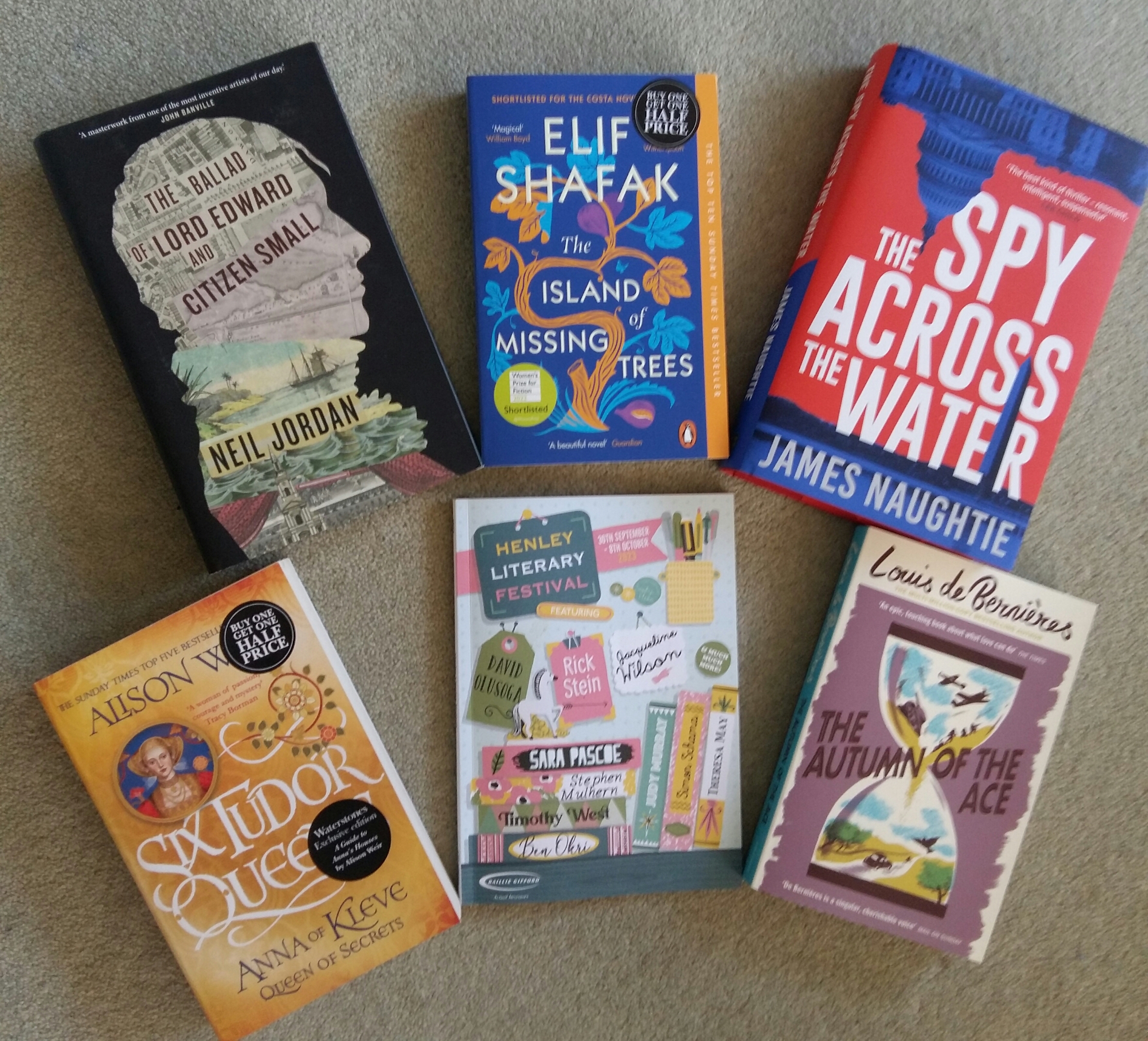 Here are the events I’m planning to attend either in person or virtually. Links from the author names will take you to the event details on the Henley Literary Festival website where you can also purchase tickets (subject to availability).


