Hosted by Taking on a World of Words, this meme is all about the three Ws:
- What are you currently reading?
- What did you recently finish reading?
- What do you think you’ll read next?
Why not join in too? Leave a comment with your link at Taking on a World of Words and then go blog hopping!
Currently reading
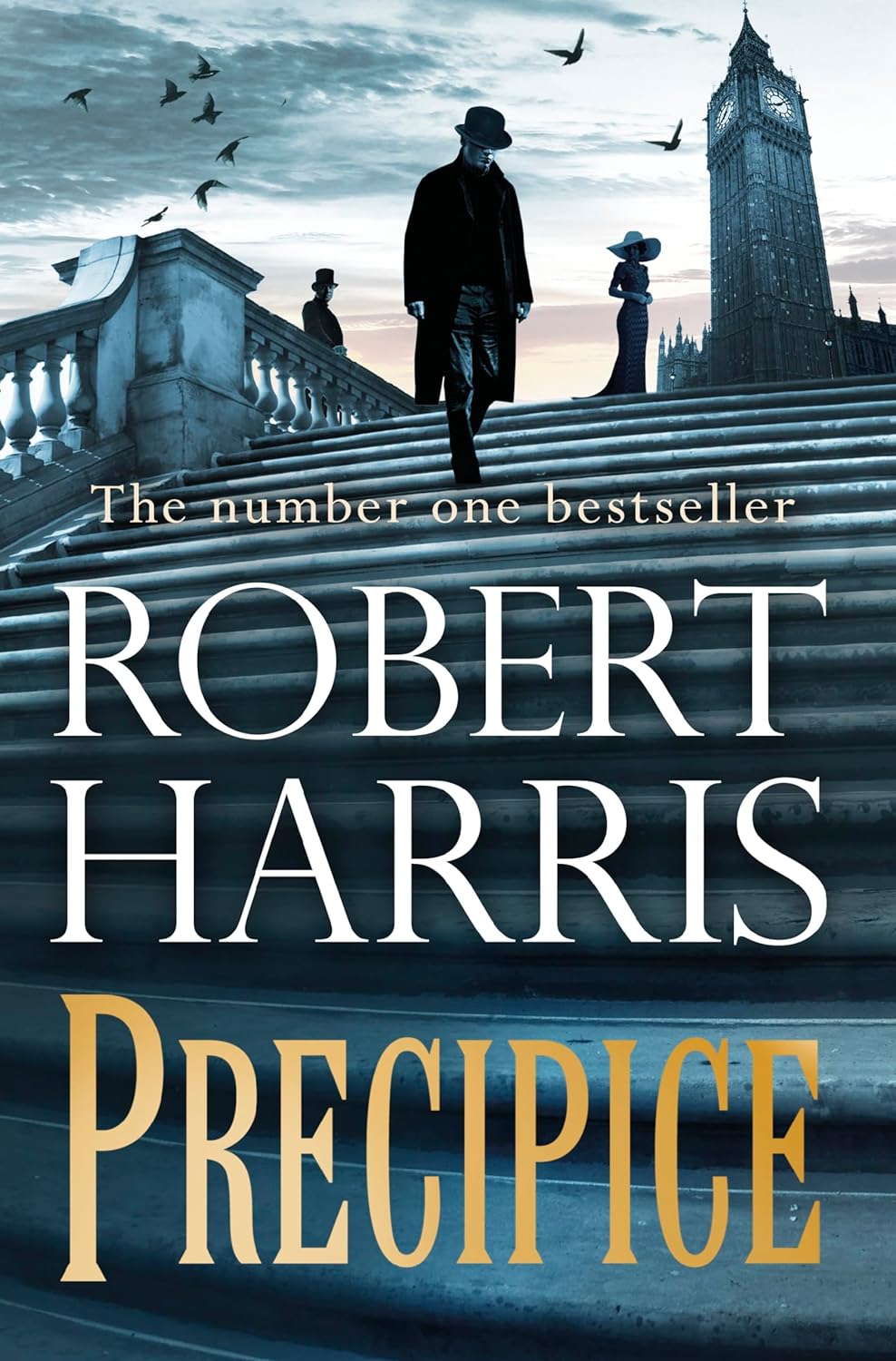 Precipice by Robert Harris (Hutchinson Heinemann)
Summer 1914. A world on the brink of catastrophe. In London, twenty-six-year-old Venetia Stanley—aristocratic, clever, bored, reckless—is part of a fast group of upper-crust bohemians and socialites known as “The Coterie.” She’s also engaged in a clandestine love affair with the Prime Minister, H. H. Asquith, a man more than twice her age. He writes to her obsessively, sharing the most sensitive matters of state.
As Asquith reluctantly leads the country into war with Germany, a young intelligence officer with Scotland Yard is assigned to investigate a leak of top-secret documents. Suddenly, what was a sexual intrigue becomes a matter of national security that could topple the British government—and will alter the course of political history.
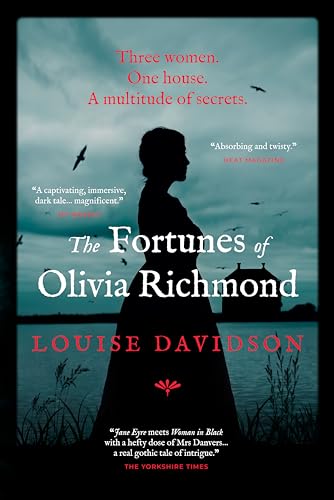 The Fortunes of Olivia Richmond by Louise Davidson (eARC, Moonflower Books)
1891 Norfolk. After a terrible tragedy, governess Julia Pearlie finds herself with no job, home, or references. When she’s offered a position as companion to Miss Olivia Richmond, her luck appears to be turning. But Mistcoate House is full of secrets.
Olivia has a sinister reputation. The locals call her the Mistcoate Witch, thanks to her tarot readings, and her insistence that she can speak to the dead. Her father, Dr Richmond, believes this to be girlish fantasy and is looking to Julia to put a stop to it.
Determined to prove herself and shake off her own murky history, Julia sets to work trying to help Olivia become a proper young lady. However, as she becomes a fixture at Mistcoate, it is soon clear that there may be more to Olivia’s stories than Dr Richmond would have Julia believe – not least because somehow, Olivia seems to know something of the darkness that Julia desperately hoped she had left behind.
As the danger grows, and the winter chill wraps around the dark woods surrounding Mistcoate, Julia will have to fight to uncover the truth, escape her past – and save herself.
Recently finished
Shy Creatures by Clare Chambers (Wiedenfeld & Nicolson)
In all failed relationships there is a point that passes unnoticed at the time, which can later be identified as the beginning of the decline. For Helen it was the weekend that the Hidden Man came to Westbury Park.
Croydon, 1964. Helen Hansford is in her thirties and an art therapist in a psychiatric hospital where she has been having a long love affair with a charismatic, married doctor.
One spring afternoon they receive a call about a disturbance from a derelict house not far from Helen’s home. A mute, thirty-seven-year-old man called William Tapping, with a beard down to his waist, has been discovered along with his elderly aunt. It is clear he has been shut up in the house for decades, but when it emerges that William is a talented artist, Helen is determined to discover his story. (Review to follow)
Hortobiography by Carol Klein (Ebury Press)
Meadowlands Dawn by Jo Beall (epoque press)
Imprisoned by the apartheid regime in South Africa, Verity Saunders endures the daily degradation of her incarceration whilst coming to terms with the disappearance of her activist lover, Tariq Randeree
Thirty years later, Verity sets out to uncover the truth about her past and to confront those who brutalised and betrayed her. As secrets are exposed she learns that in order to truly heal she must embrace the path of forgiveness.
Meadowlands Dawn is inspired by the author’s own experience as a political prisoner in apartheid South Africa during the 1980s. It explores the desires and indignities of the human heart and deals with the impact of radicalisation and its aftermath. (Review to follow)
What Cathy Will Read Next
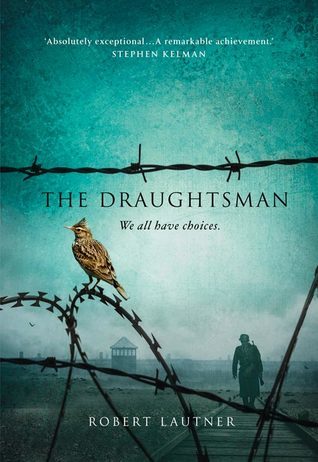 The Draughtsman by Robert Lautner (The Borough Press)
1944, Germany. Ernst Beck’s new job marks an end to months of unemployment. Working for Erfurt’s most prestigious engineering firm, Topf Sons, means he can finally make a contribution to the war effort, provide for his beautiful wife, Etta, and make his parents proud. But there is a price.
Ernst is assigned to the firm’s smallest team – the Special Ovens Department. Reporting directly to Berlin his role is to annotate plans for new crematoria that are deliberately designed to burn day and night. Their destination: the concentration camps. Topf’s new client: the SS.
As the true nature of his work dawns on him, Ernst has a terrible choice to make: turning a blind eye will keep him and Etta safe, but that’s little comfort if staying silent amounts to collusion in the death of thousands.

 A Place Without Pain by Simon Bourke – a coming-of-age story about loneliness and the struggle to overcome your demons *