
It’s the first Saturday of the month which means it’s time for 6 Degrees of Separation.
Here’s how it works: a book is chosen as a starting point by Kate at Books Are My Favourite and Best and linked to six other books to form a chain. Readers and bloggers are invited to join in by creating their own ‘chain’ leading from the selected book.
Kate says: Books can be linked in obvious ways – for example, books by the same authors, from the same era or genre, or books with similar themes or settings. Or, you may choose to link them in more personal or esoteric ways: books you read on the same holiday, books given to you by a particular friend, books that remind you of a particular time in your life, or books you read for an online challenge. Join in by posting your own six degrees chain on your blog and adding the link in the comments section of each month’s post. You can also check out links to posts on Twitter using the hashtag #6Degrees.
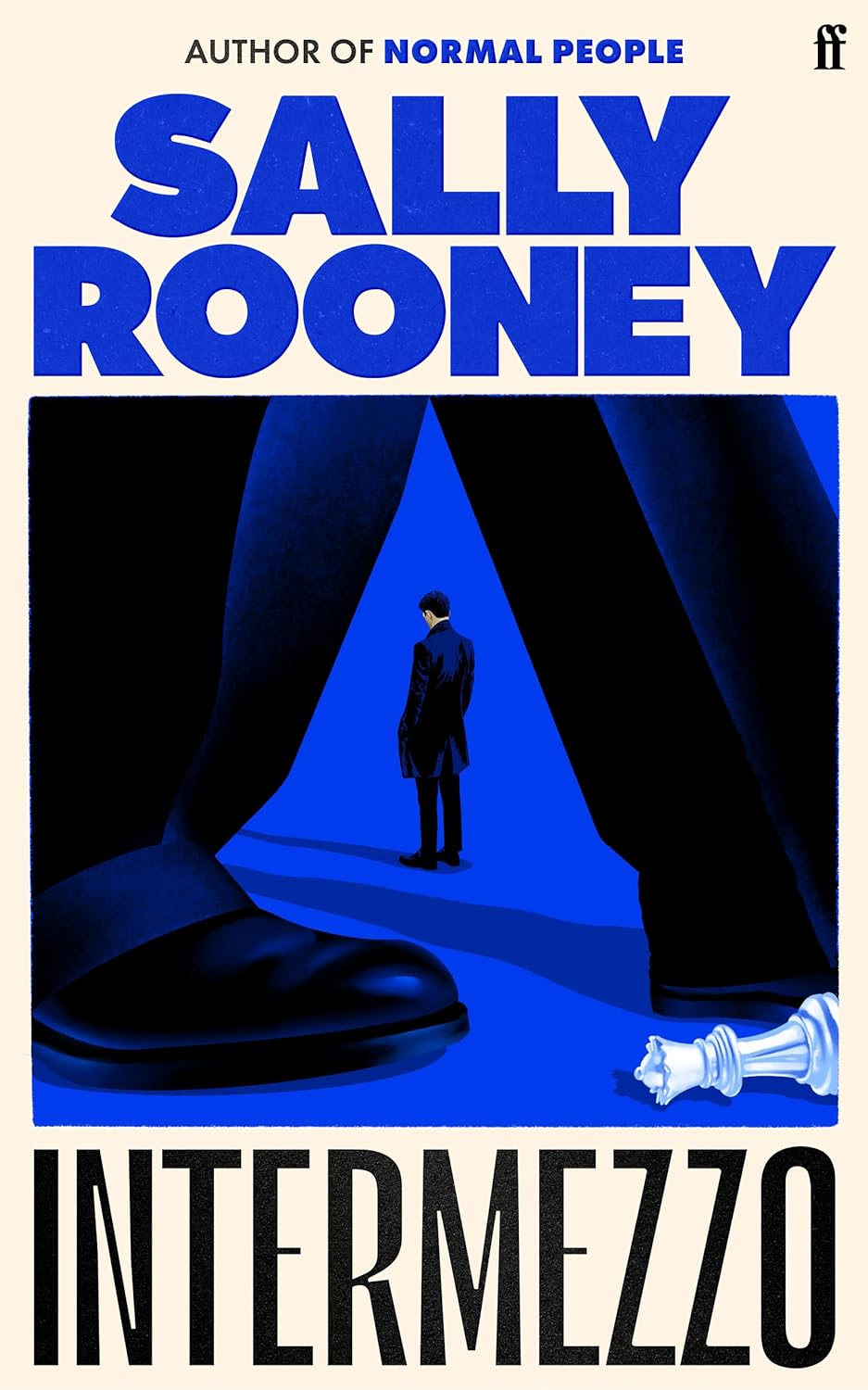 This month’s starting book is Intermezzo by Sally Rooney. Can there be anyone in the book world who hasn’t seen the publicity blitz for this, the author’s second novel?
Links from each title in the chain will take you to my review or the book description on Goodreads.
Intermezzo is a musical term applied to a short piece serving as an interlude between two larger sections of a work. Staying with the musical theme, a key (excuse the pun) – or even a major (excuse another pun) – character in The Instrumentalist by Harriet Constable is violinist and composer Antonio Vivaldi, probably most famous for The Four Seasons. The book suggests he had a little a help with it…
Continuing the musical theme, Notes of Change by Susan Grossey is the seventh in her historical crime series featuring Constable Sam Plank. (Have a bonus link to the previous author’s surname.) The plot of Notes of Change centres on the ‘uttering’ [the putting into circulation] of counterfeit notes, a capital offence at the time.
Another illegal practice associated with currency is central to The Gallows Pole by Benjamin Myers, which won The Walter Scott Prize for Historical Fiction in 2018. Set in Calderdale, West Yorkshire in the 1760s it tells the story of a gang known as the ‘Cragg Vale Coiners’. ‘Coining’ was the illegal practice of removing shavings of gold from the edges of genuine coins, milling the edges of those coins smooth again and then using the shavings to produce counterfeit coins. Like uttering, it was a capital offence.
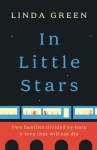
Linda Green, the author of In Little Stars, taught creative writing classes for the Workers Educational Association in Calderdale, the setting for The Gallows Pole. In Little Stars involves two women whose families are on different sides of the bitter Brexit debate. Unbeknown to them, their children (echoing Romeo and Juliet) are destined to fall in love.
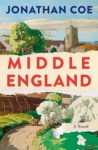
Another novel which tackles the divisions caused by the Brexit referendum is Middle England by Jonathan Coe. One of Coe’s previous novels, What A Carve-Up!, is a satire on life under the government of Margaret Thatcher.
Killing Thatcher by Rory Carroll describes the background to the IRA’s attempt to assassinate Margaret Thatcher during the Conservative Party Conference in Brighton in 1984, and the manhunt for the bomber that followed.
My chain has taken me from a musical interlude to political division. Where did your chain take you this month?


 This month’s starting book is




 What Cathy Read Next...