Six on Saturday is a weekly meme originally hosted by The Propagator but now in the tender care of Jim at Garden Ruminations.
It’s been another washout of a week here in the South-East, although I’m mindful that other areas have had it much worse. Fortunately on Friday the sun came out – briefly – and I was able to dash around the garden taking a few pictures in between filling the bird feeders in advance of the RSPB’s Big Birdwatch this weekend.
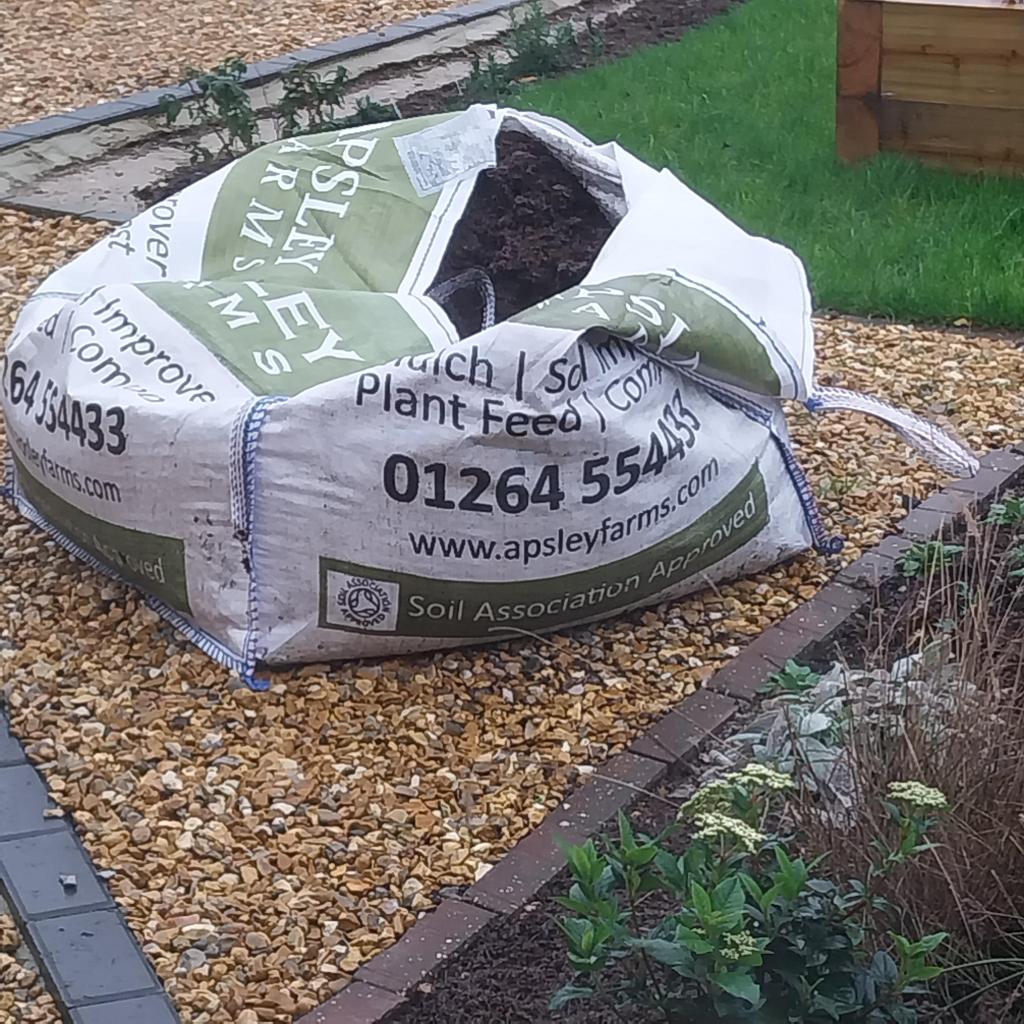
One – A half full bag of mulch waiting for a day when it isn’t either pouring with rain or frozen so the remainder can be spread on borders and in the vegetable garden.
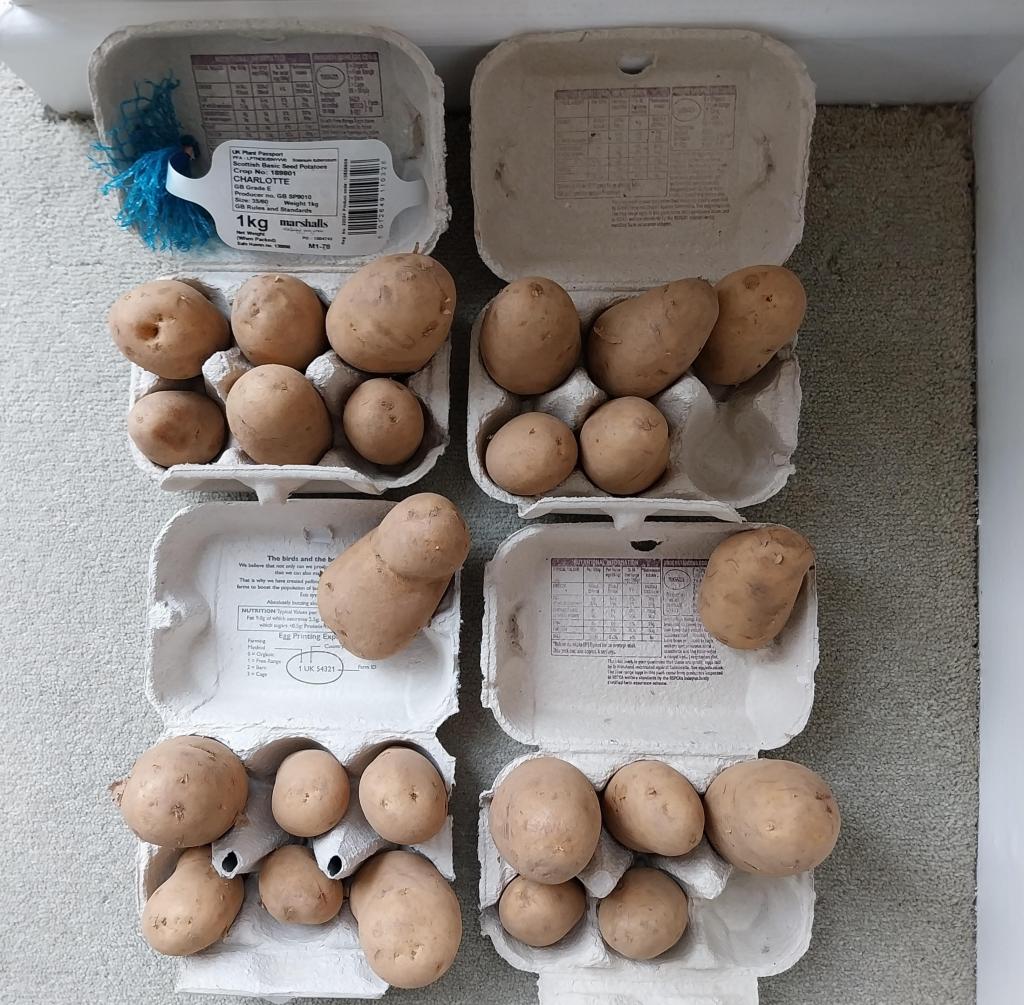
Two – On a more positive note, the seed potatoes (the variety is Charlotte) have arrived ready for chitting. I always feel it marks the real start of the gardening year.
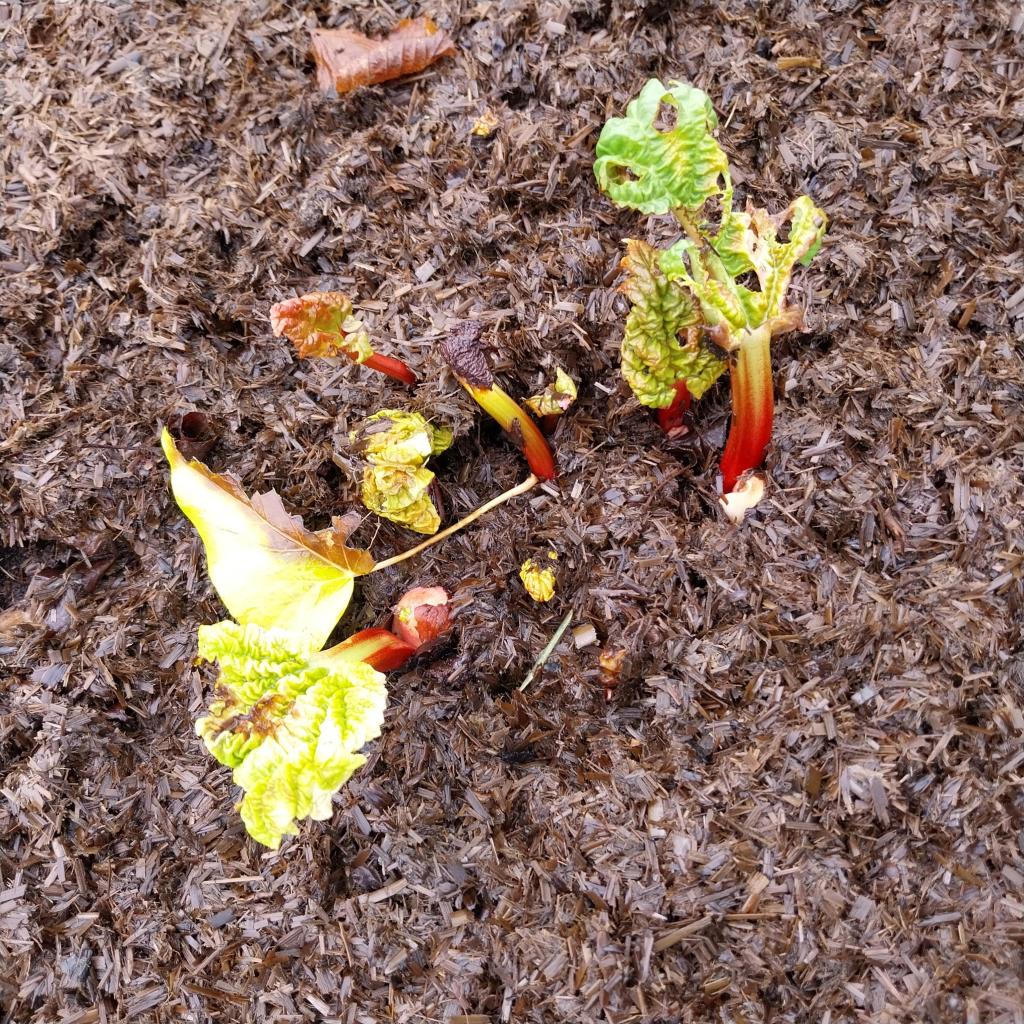
Three – And here’s another one. Rhubarb ‘Timperley Early’ emerging from the soil, even if the leaves are looking a bit tatty. This will be its second year so, fingers crossed, we’ll be able to harvest some for the first time.
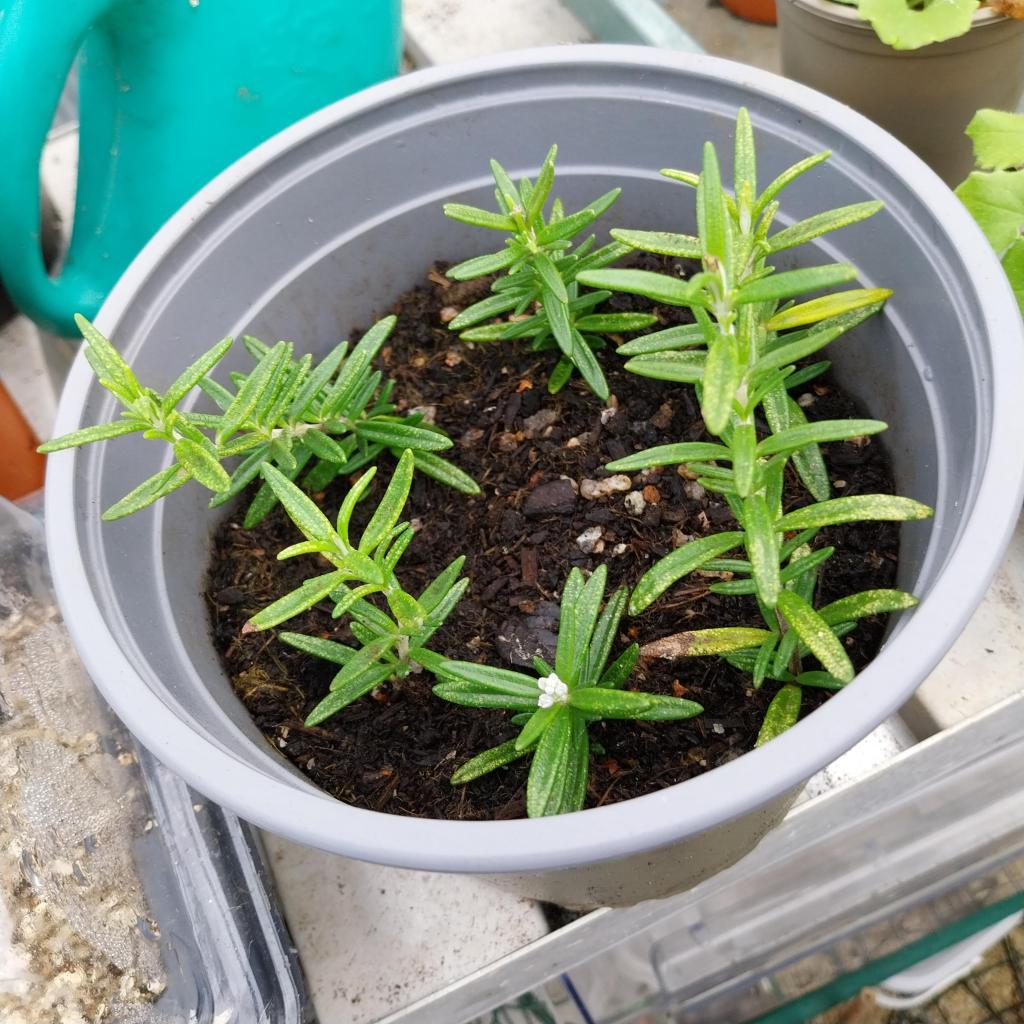
Four – This may not be a big thing for propagation experts out there but I’m thrilled the rosemary cuttings I took a few months ago seem to have taken.
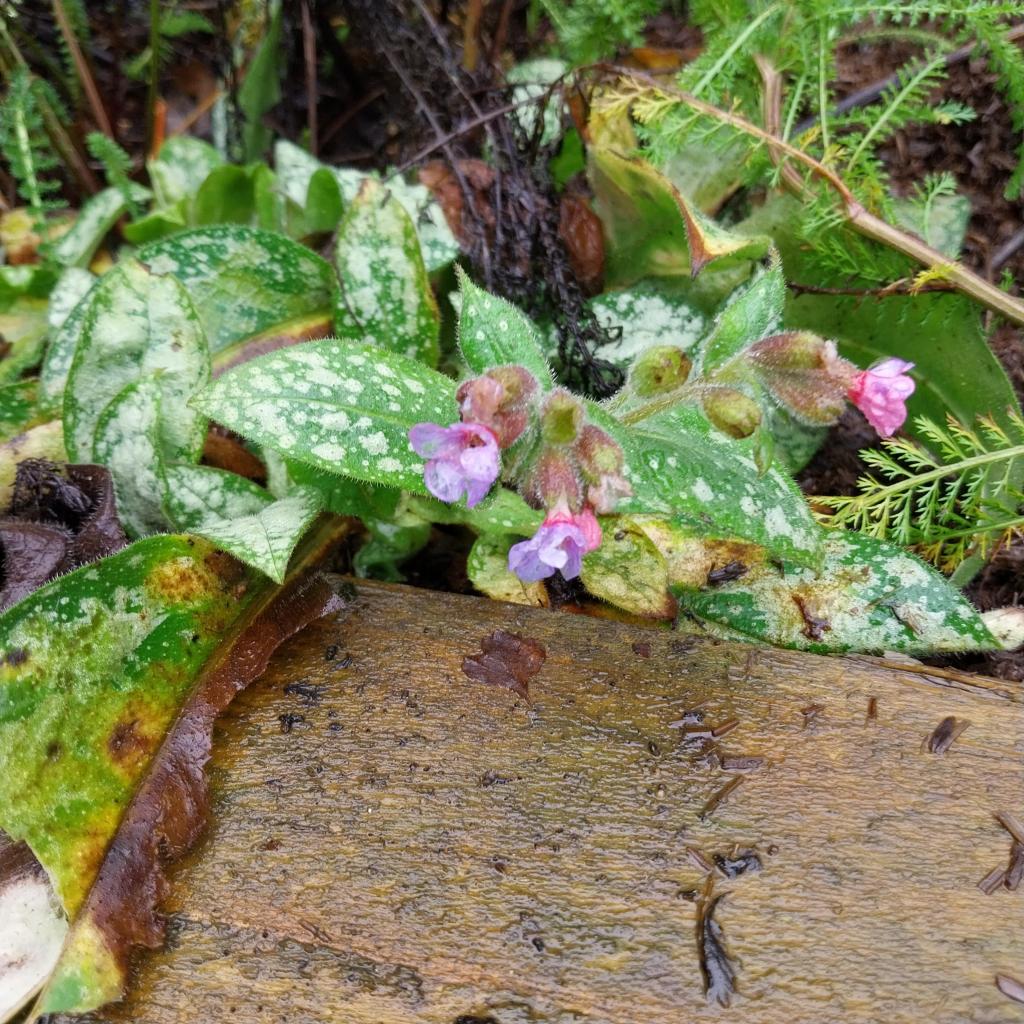
Five – Blooms spotted on one of the pulmonaria in the garden. It’s one of my favourite plants because it flowers so early.
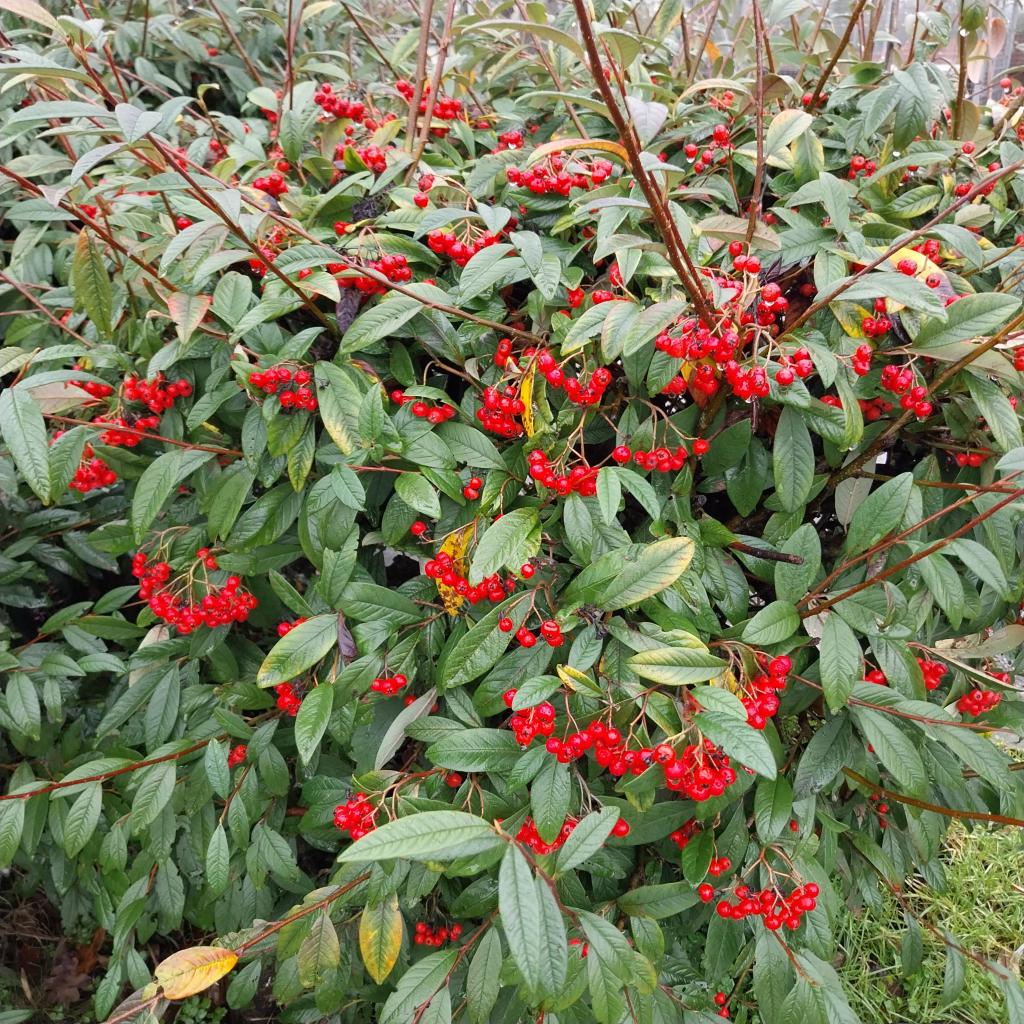
Six – Berries are providing most of the colour at this time of year.
Do check out the posts of other participants by following the links in the comments section of Jim’s post. If you fancy taking part yourself but don’t know where to start, here’s the participant’s guide.
For many the First World War didn’t end in 1918; its impact lasted for years, even decades afterwards. Here are ten historical novels that explore the aftermath of the First World War. Links from each title will take you to my full review.
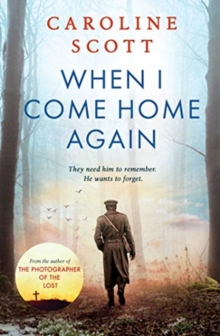
When I Come Home Again by Caroline Scott – November 1918. A uniformed soldier is arrested in Durham Cathedral. He has no memory of who he is or how he came to be there. When his photograph is published in a newspaper, three women come forward, each equally convinced he is their missing husband, son or brother.
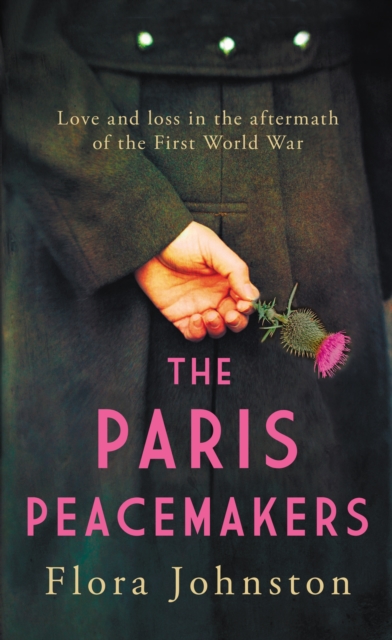
The Paris Peacemakers by Flora Johnston – Paris 1919. The fragile negotiations of the international Peace Conference are underway. Stella Rutherford employed as a typist to the Conference throws herself into her work to escape her grief for her beloved brother.
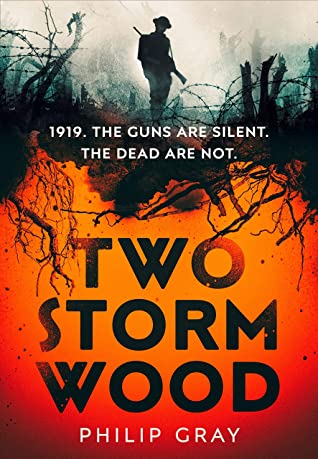
Two Storm Wood by Philip Gray – 1919. On the desolate battlefields of northern France, special battalions face the solemn task of recovering and identifying the remains of fallen soldiers for mass burial. And a young woman travels to the now abandoned battlefields searching for the truth about how her fiancé died.
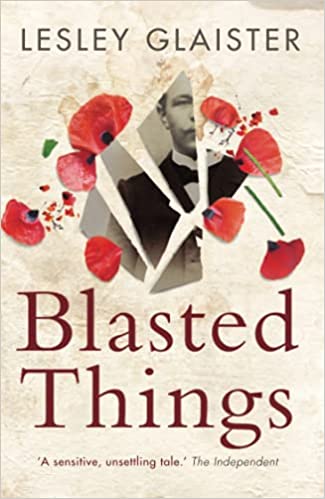
Blasted Things by Lesley Glaister – 1920. Clementine, who nursed at the front, is suffering the after-effects of her wartime experiences, bringing her to the brink of a monstrous act. She meets Vincent, left with severe facial wounds by his time in the trenches, but whose damage goes much deeper than the painted tin mask he wears.
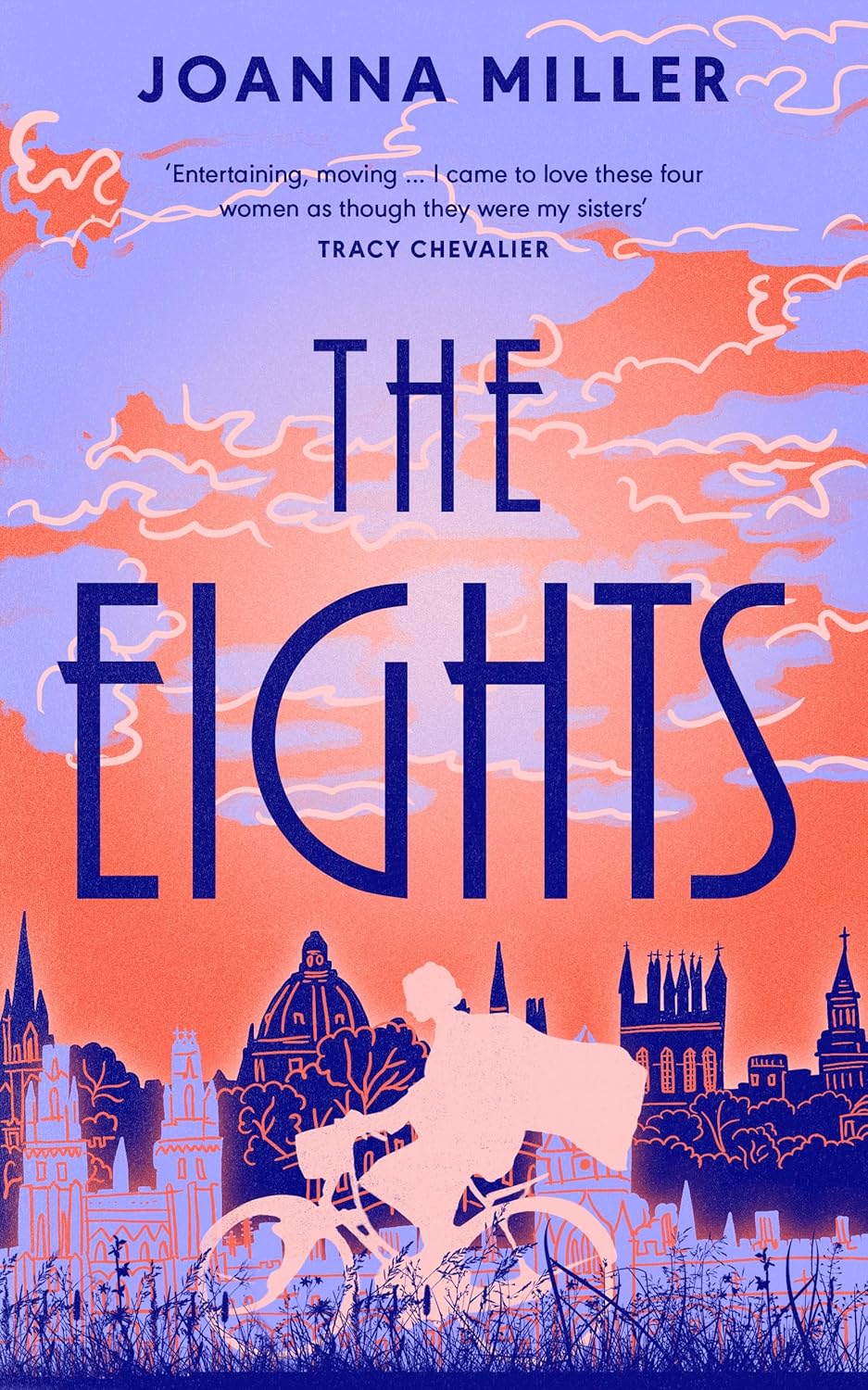
The Eights by Joanna Miller – It’s 1920 and for the first time in its 1000-year history female students are being admitted to Oxford University. It should be a moment of celebration but the ghosts of the Great War are still evident in the bereaved or those battling with life-changing physical injury or psychological damage.
Green Ink by Stephen May – No one really knows what happened to Victor Grayson who vanished one night in late September 1920. Could his disappearance be related to his volte-face from passionate opponent of Britain’s entry into the First World War to enthusiastic advocate?
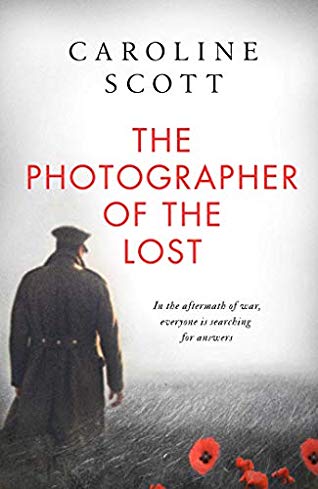
The Photographer of the Lost by Caroline Scott – 1921. Harry travels through battle-scarred France, hired by grieving families to photograph grave sites, but also searching for news of his brother, reported missing in action.
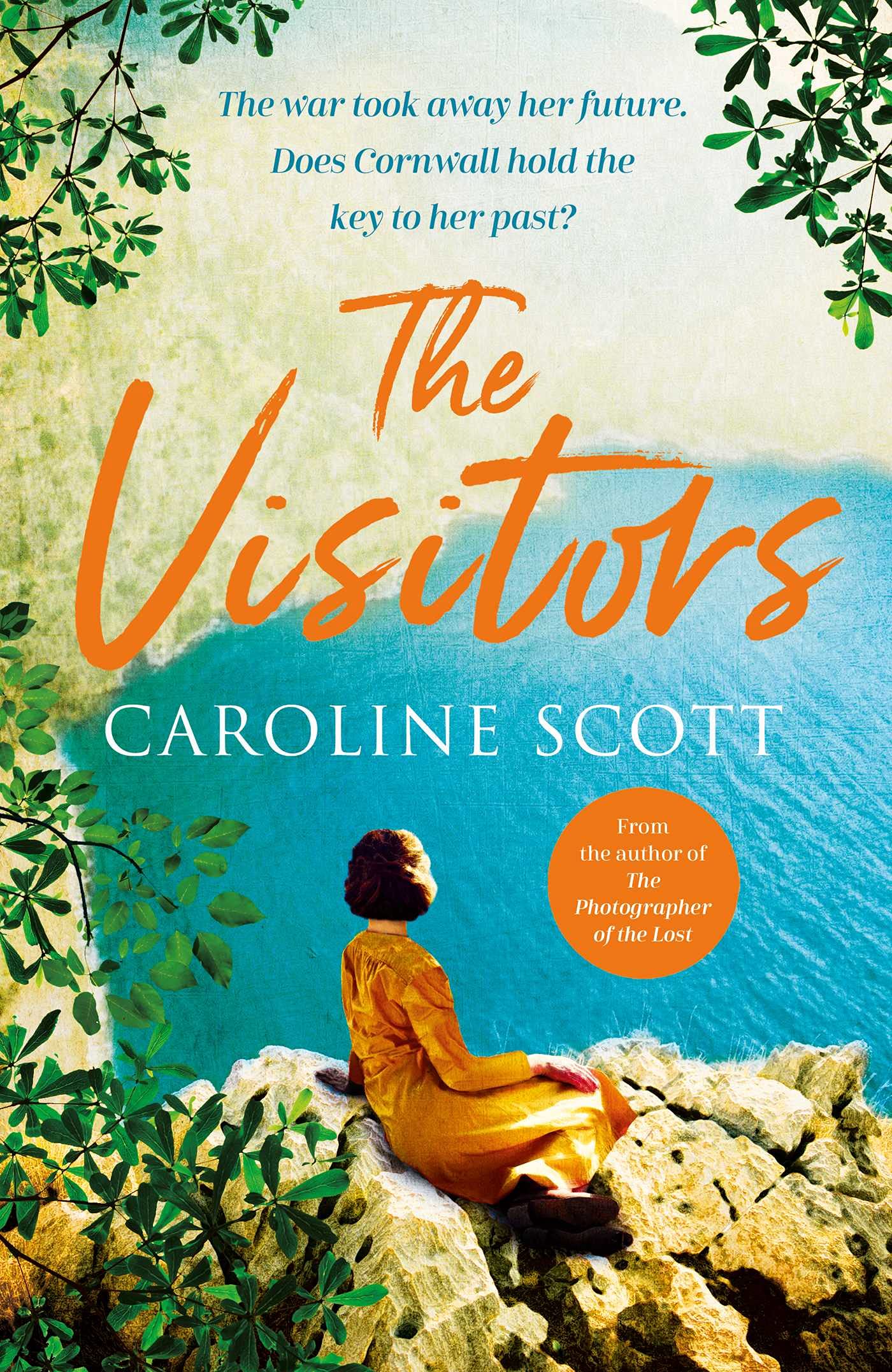
The Visitors by Caroline Scott – 1923. Esme Nicholls travels to Cornwall to spend the summer in a community of eccentric artists and former soldiers. Her husband Alec, who died fighting in the war, grew up there and she hopes to learn more about the man she loved and lost.
In the Garden of Sorrows by Karen Jewell – Isabel Fuller is deadened with grief at the death of her oldest son in the First World War, haunted by visions of him dying alone, and bitter at her husband for encouraging him to enlist. When a young, charismatic preacher arrives one summer, he awakens in her feelings long forgotten.
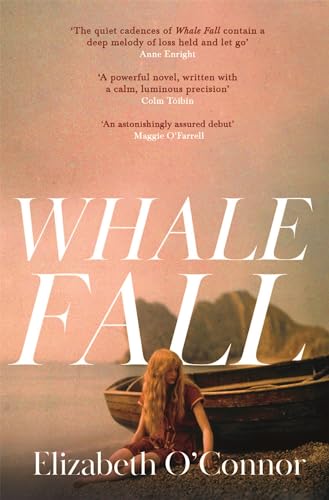
Whale Fall by Elizabeth O’Connor – It may be 20 years after the end of the First World War but on a remote island off the coast of Wales the dwindling population is still feeling its effects. Empty houses remind them of men who never returned and remnants of the war – uniforms, helmets, fragments of naval mines – still wash up on the shore.
What other historical novels have you read that explore the impact of the First World War?





 What Cathy Read Next...